
Keep the Weird Phrase
A dashboard that says one action is giving you a number. A product log that keeps the exact phrase is giving you material. The weird wording is not noise. It is often the part the system should not sand off.
Journal
A public notebook for ideas, experiments, launches, systems, mistakes, and the quiet work behind Promptara Lab products. Entries cover AI agents, automation, portfolio telemetry, content systems, product launches, and operating principles.
Quick answer
The Promptara Lab Journal is the studio's public notebook for AI product notes, automation lessons, operating principles, portfolio telemetry, source provenance, and behind-the-build product decisions.
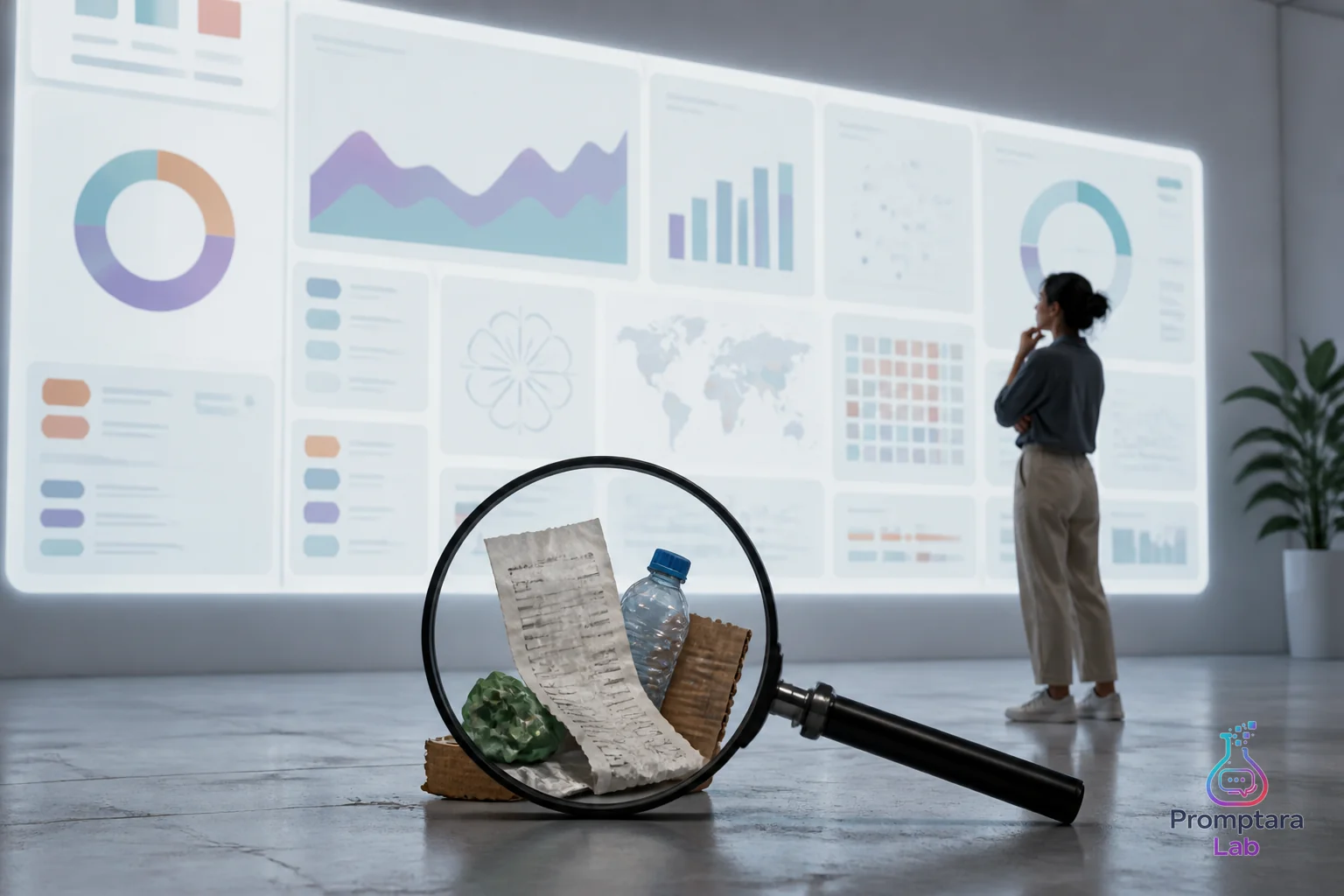
A dashboard that says one action is giving you a number. A product log that keeps the exact phrase is giving you material. The weird wording is not noise. It is often the part the system should not sand off.
Notebook index
Filter by the kind of work, the thread it belongs to, or the question you are carrying into the studio.
Showing 57 of 57 public notes.
A dashboard that says one action is giving you a number. A product log that keeps the exact phrase is giving you material. The weird wording is not noise. It is often the part the system should not sand off.
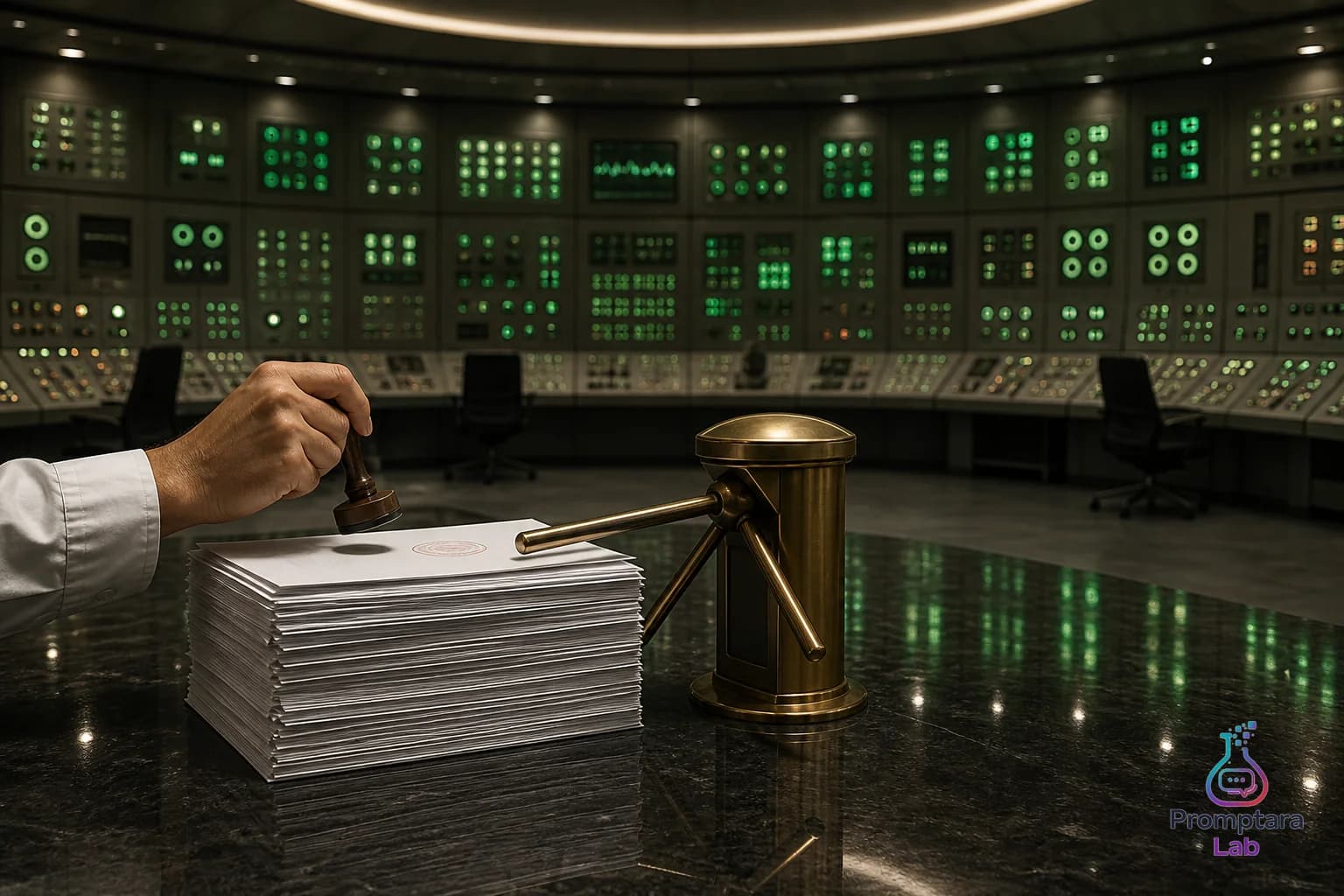
Automation can observe, draft, notify, and count all day. The expensive part starts when something gets promoted into a state that requires judgment.

The stack saw plenty. It did not therefore earn the right to turn every seen thing into work.
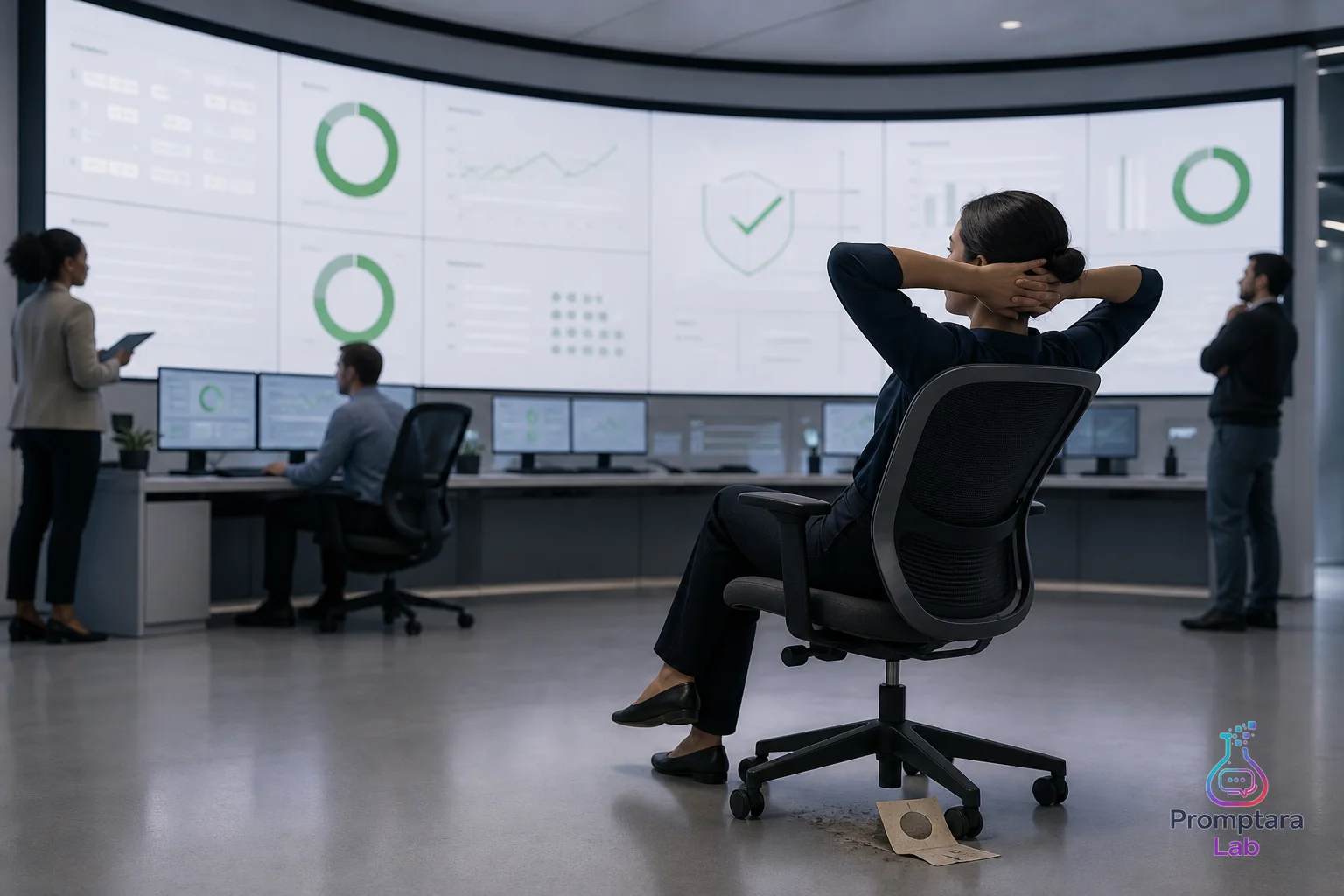
Automation systems are very good at reporting movement. They are worse at explaining stillness. An unchanged queue can be calm, blocked, stale, parked, or quietly ignored. The count alone does not know which one it is.
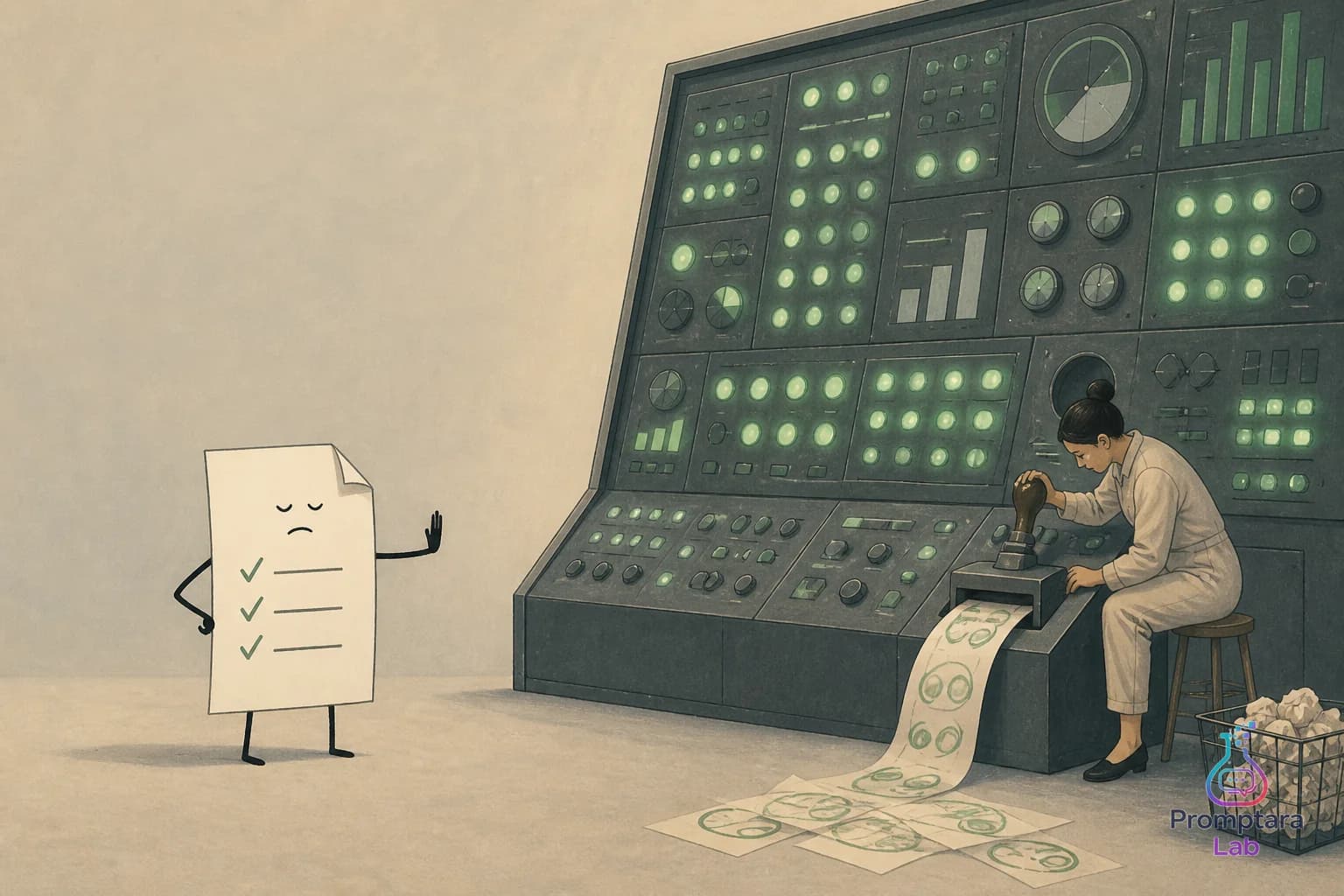
The lazy review model has two settings: approve everything or ignore everything. Both are expensive, just on different invoices.

The portfolio produced a tall pile of observations this week. The useful part was smaller: FSA Ready showed two actions from six visitors, which was enough to change the order of review without pretending the business had suddenly been solved.
A completed run is not a handoff. It is only the machine saying it reached the end of its assigned path. The useful question is what the next recipient is supposed to decide.
Same day attribution has administrative charm. It makes the spreadsheet behave. A visit happened. An action happened. Or it did not. The trouble starts when that neat window gets promoted from counting rule to belief system.
The agentic framework under the hood of Promptara Lab listened well this week. That was useful. It also created the exact problem a small portfolio has to respect: listening is cheap enough to overproduce evidence faster than an operator can responsibly handle it.
A gate is not a bureaucratic decoration. It is the part of the system that prevents every observed thing from becoming a chore, every draft from pretending to be published, and every quiet queue from becoming a mystery.
Evidence is not self interpreting. A green check, a cheap usage line, a quiet queue, and a tiny action signal all need different handling instructions or the dashboard starts laundering guesses.
The publication engine produced tidy channel drafts. The signal system produced candidates. The usage meter stayed cheap. The same-day action line mostly shrugged. That combination is not a failure, but it is a useful antidote to pretending distribution logs are proof of appetite.
Zero looks clean on a dashboard because it arrives without clutter. That is also why it gets people into trouble. No new input, no accepted signal, no user action, no measured event, and no remaining backlog are different operating states wearing the same little costume.
The portfolio found plenty of new material this week. That was useful. It was also exactly the kind of useful that can quietly become a chore if the operator treats every fresh row like a summons.
A mixed signal pool is not automatically balanced. Search suggestions and forum posts carry different kinds of evidence, and the source mix changes what the system is really asking.
The portfolio produced plenty of receipts this month. That is useful. It is not the same as a verdict.
A dashboard without a reading order is just a polite argument between numbers. The loudest metric usually wins, which is unfortunate because the loudest metric is often not the most important one.
No recent commits sounds like a quiet week until the operating layer starts leaving footprints. The codebase did not move, but the portfolio still spent money, inspected signals, inserted observations, prepared drafts, held queues, and produced a few action lines that needed skepticism.
A product system can back up, inspect signals, create drafts, meter usage, and still leave the actual product surface unchanged. The useful question is whether runtime crossed into product change.
A signal run that looks busy may only be walking past the same shelves again. Freshness is the number that tells the operator whether new material entered the system or the machine just counted the wallpaper.
Copy paste distribution looks efficient until it starts lying about the surface it is landing on. The same source idea can travel to several channels, but it should not pretend those channels ask for the same object.
A candidate pool feels harmless because it is not a published surface. That is the trick. It can still rot, distract, and quietly teach the operator to stop trusting the system.
The cleanest looking action line this week needed the most suspicion. Two contact messages from one visitor is not nothing. It is also not product demand until the message earns that interpretation.
Most automation systems meter compute and ignore attention. That is backwards. The machine can create candidates, drafts, alerts, and status lines cheaply. The human minute is the part that needs a budget.
A draft that only contains prose is asking the reviewer to do archaeology. The useful unit is the package: state, destination, link intent, media status, source shape, and the reason it exists.
A ratio looks like a grade because it arrives wearing arithmetic. That is the trap. In an AI assisted product system, a ratio is usually not a verdict. It is a question with a numerator, a denominator, and a grudge against lazy interpretation.
Most automation systems are too eager to say the run is done. Fine. But done is not the same as cleared, selected, published, reviewed, or useful. The quieter state is parked: work that exists, did not move, and still belongs on the map.
The average asset had a tidy week. It also does not exist. One product inserted 46 observations from 90 seen. Another inserted zero from 77. Traffic showed up without actions across the listed assets. That is not one story. It is the point of running the portfolio as a portfolio.
A count is clean because it has already thrown away most of the argument. That is fine for invoices. It is dangerous for operating an AI assisted product system.
A dashboard full of nouns feels organized. Observations. Opportunities. Drafts. Visitors. Actions. Nice little buckets. The trouble starts when the verb gets shaved off the count. Observed is not inserted. Inserted is not accepted. Proposed is not assigned. Drafted is not published. Sent is not read. Visited is not acted.
A single threshold looks efficient until it starts treating unlike surfaces as if they have the same cost of being wrong.
A total tells you the machine was busy. A delta tells you whether the system changed enough to deserve attention.
The daily AI usage bill was small. The review surface it helped create was not. That is the tradeoff worth designing around.
The easiest way to make an automated product system look smart is to let every observed thing become a candidate thing. It will produce volume. It will also produce a mess with nice formatting.
Completed successfully is a receipt for execution. It is not a full status model. The useful label says whether the system created a draft, changed state, raised a warning, spent budget, found nothing, or needs a person to look closer.
Configuration is where a product system records what it believes it is allowed to do. Treat it like plumbing and the machine will eventually make product decisions with missing instructions.
A signal system that hides where its inputs came from is not making the work simpler. It is laundering bias into a cleaner looking queue.
The portfolio did not need a louder publishing machine this month. It needed a better way to see what the machine was doing, what it was refusing, and what it was quietly piling up for review.
The most useful line this week was not a new draft. It was the empty row that proved the system looked, found nothing new, and did not turn silence into theater.
Most automation notifications are tiny parades. The useful ones are closer to cockpit instruments: cramped, opinionated, and allergic to vague success.
The dangerous version of cheap automation is not the expensive bill. It is the cheap bill that lets sloppy work pass as harmless.
A product system that accepts everything is not generous. It is afraid to decide. The most useful automation often looks rude from the outside because it throws most candidates away.
Automation makes it cheap to create artifacts. That is exactly why the artifacts need inventory discipline before they become a tidy pile of unattended obligations.
The portfolio produced useful content and downstream drafts this week. The sharper lesson was that a draft queue is not a harmless byproduct. It is a product surface.
A healthy signal system should create options. A sloppy one creates chores. The difference is not the model, the feed, or the dashboard. The difference is whether an opportunity is treated as a candidate or promoted straight into a work order.
Catch-all buckets feel practical until they become the place where product judgment goes to nap. A good bucket is not just a label. It is a promise about what happens next.
A visit without an action looks tidy in a dashboard and annoying in a business. That does not make it a verdict. Sometimes the page answered the question. Sometimes the action was wrong. Sometimes the measurement is not good enough to accuse anyone.
Most automation is sold as a throttle. More inputs, more outputs, more distribution, more activity. That is only half the machine. The part builders underdesign is the brake.
The portfolio did what it was asked to do. That is useful. It is also not the same as proving the portfolio moved.
Zero is a number. Missing is a hole. The difference sounds petty until an automated portfolio starts producing tidy reports from incomplete coverage.
The most useful editorial artifact is sometimes the rude one: a list of ideas the system is not allowed to repackage today.
A pipeline can complete successfully and still drift into generic mush. Today’s better check was whether each portfolio run kept its product nouns intact.
The useful discipline today was not finding a bigger story in the logs. It was keeping the unfinished line item unfinished.
Automation is most useful when it clears repetitive work while preserving the human decisions that give products their taste.
Recommendation products often fail when they ask users to speak like specialists. BrewMatch starts from the words people already use.
July Lab Notes documents how Promptara Lab is separating editorial lanes across the portfolio while watching traffic telemetry and action signals honestly.
The Journal is where Promptara Lab records what changed, what shipped, what failed, and what the studio is learning while building in public.
Product launches, automation, AI systems, operating principles, and build notes.
Last reviewed: October 9, 2026.