Runtime Is Not Product Change
Automation is very good at looking busy.
That is not an insult. Busy can be useful. Backups should run. Health checks should report. Usage meters should count. Signal systems should inspect the outside world. Publication engines should prepare draft records with enough context for review. None of that is fake work.
The trap is treating runtime as product change.
In short: runtime is operating motion, not product change. A run can inspect signals, prepare drafts, meter usage, or check queues without changing what a user can do or what an operator has to review.
A small AI assisted product system can have a perfectly active operating day: a backup completes, a health check comes back clean, a usage meter reports $2.87 across 35 requests, signal passes inspect dozens or hundreds of observations, draft records get prepared, and an intake queue is checked. The product may still have no recent code commits. The visible product may not have changed at all.
That is not a contradiction. It is two ledgers pretending to be one.
Runtime has a job
Runtime is the system doing the things required to stay alive and informed.
It scans. It routes. It records. It uploads. It checks. It meters. It prepares. It reports. Those verbs matter because they describe operational movement, not necessarily product movement.
A signal pass that observes 126 items and inserts 6 new observations did something. A different pass that observes 32 items and inserts 0 did something too. The second run may be more useful than it looks if it proves there was nothing worth adding under current rules. Likewise, an intake check that sees 0 updates and takes 0 messages while the queue remains unchanged is still evidence. It says the door was checked, not that the room was cleaned.
That distinction is boring until it saves judgment.
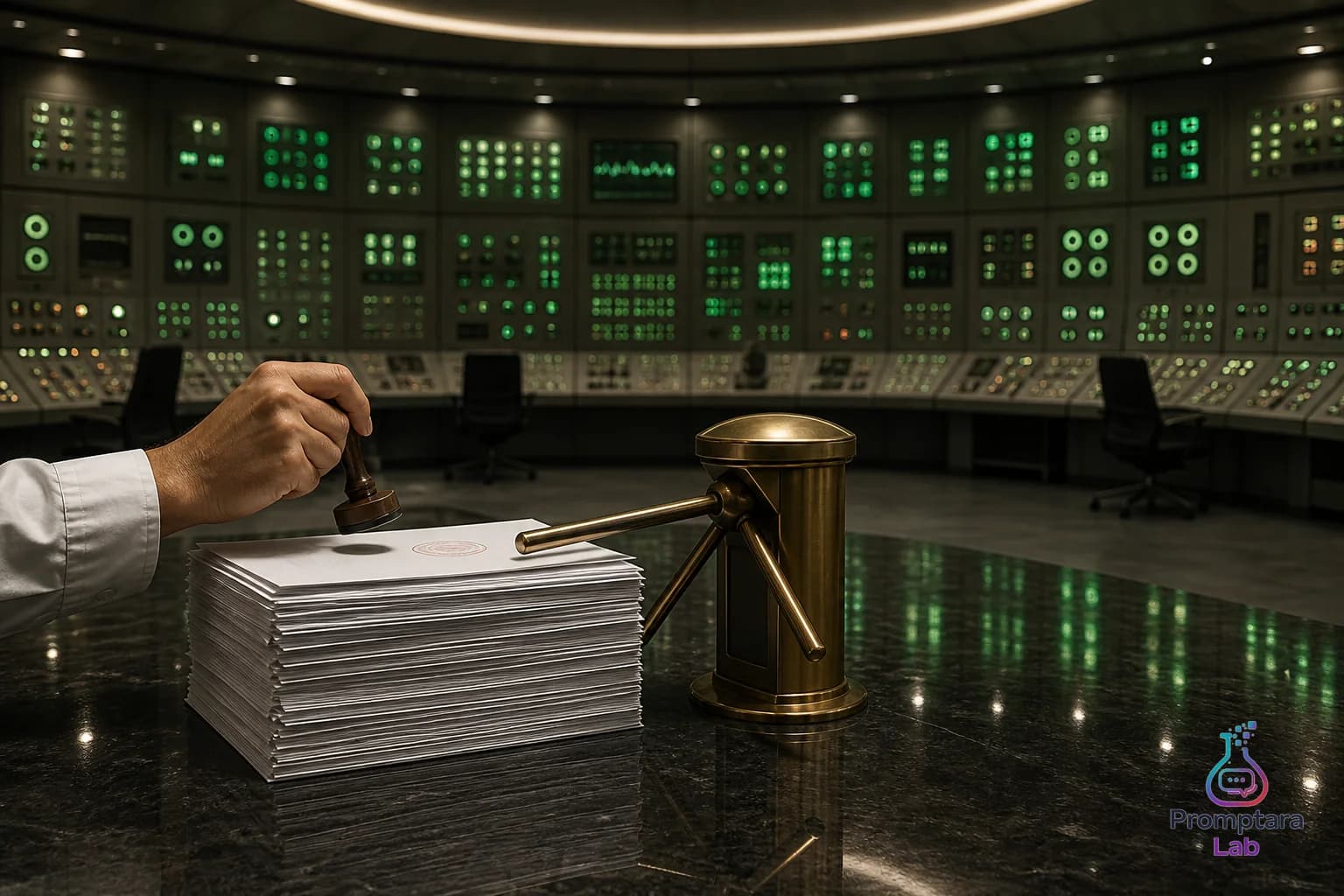
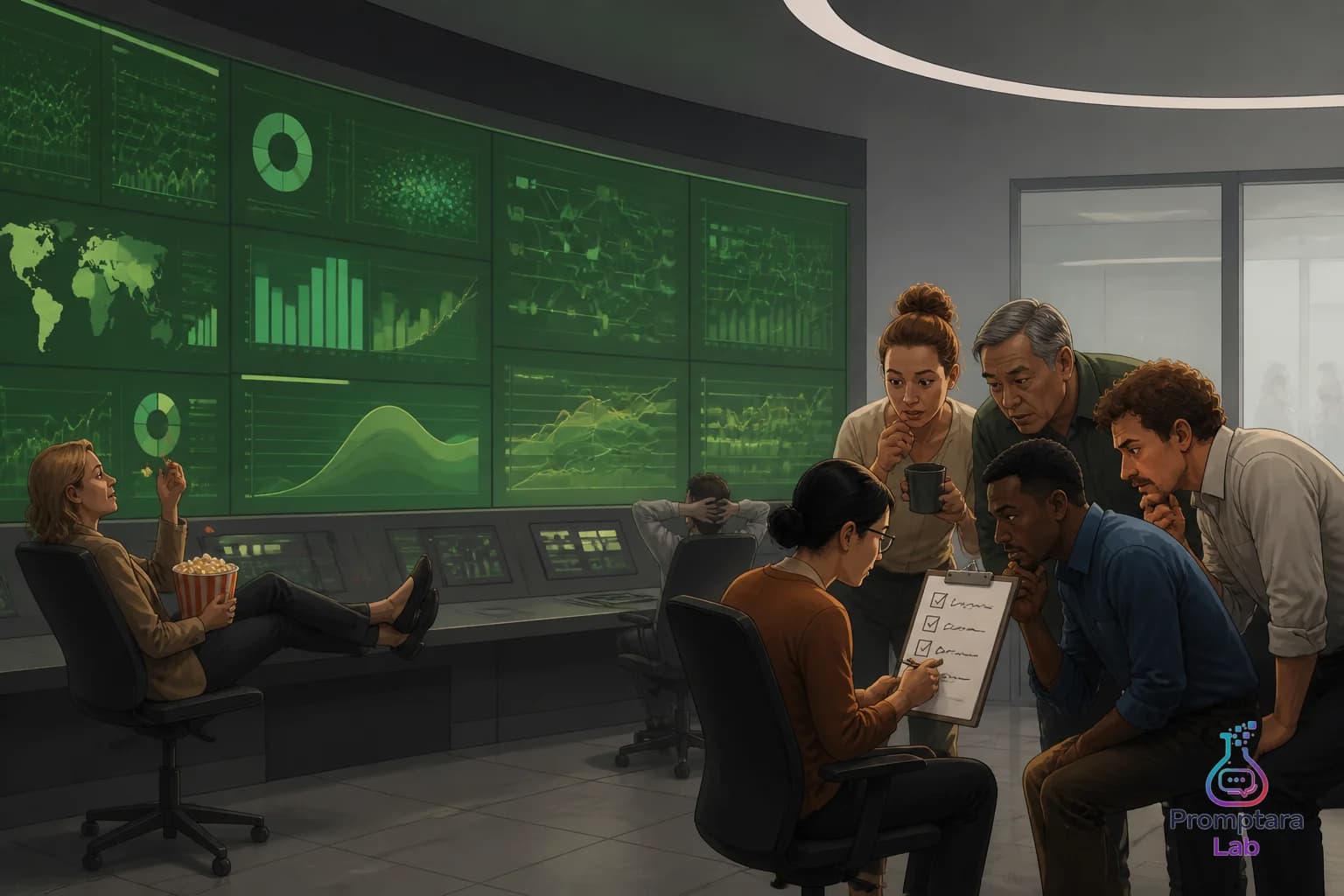
If every successful run is allowed to imply progress, the operator loses the ability to tell whether the product improved or the machinery merely cycled. A dashboard full of completed jobs can become a theatrical fog machine: technically accurate, visually reassuring, and not very helpful if the question is what changed for a user.
Product change crosses a boundary
Product change is narrower.
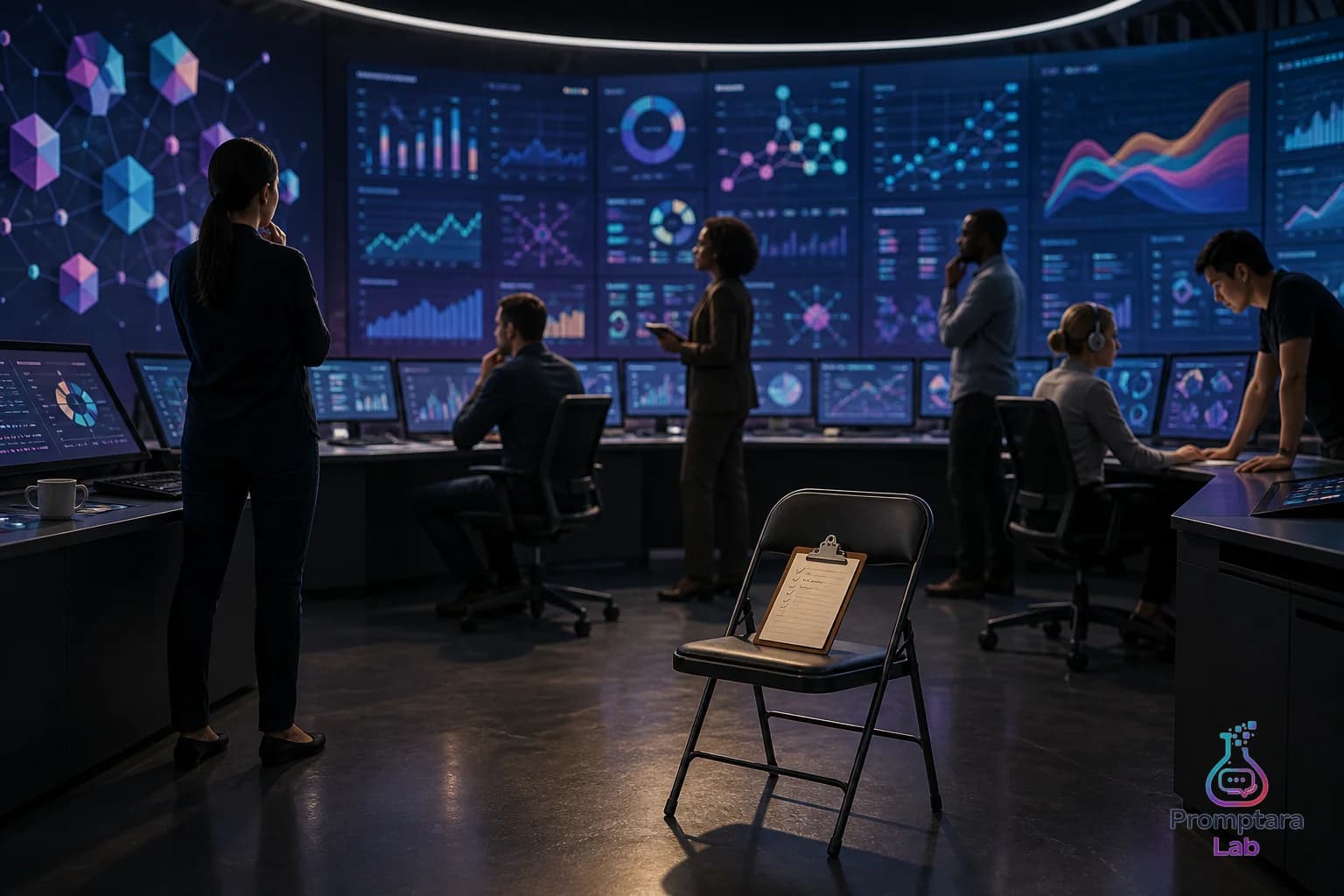
A product change crosses a boundary into the artifact, the user surface, the buyer promise, the support burden, or the operating contract. It changes what someone can do, what the system will accept, what gets published, what gets refused, what gets measured, or how a human has to review the work.
Runtime may create the ingredients for that change. It is not the change by itself.
This is why Promptara Lab keeps treating generated material as inventory, not as victory. A draft record can be useful. A social variant can be useful. A candidate opportunity can be useful. But usefulness does not erase review cost. The older note Output Is Inventory, Not Progress is still the annoying little sign on the shop wall here: output has to be stored, inspected, selected, rejected, or shipped.
The same boundary shows up in handoff design. The Handoff Is the Product Surface argues that a completed run becomes useful only when it tells the next recipient what decision, if any, is being requested.
The same rule applies to telemetry. A usage meter is not a product change. It is a bill for runtime activity and a clue about whether the activity deserves to keep happening. Putting cost beside output helps, which is why Put the Meter Next to the Machine keeps coming up as a design habit rather than an accounting preference.
The product changed only when a real boundary moved.
The category error gets expensive quietly
Most teams do not confuse runtime and product change because they are foolish. They confuse them because runtime is easier to count.
Requests are counted. Tokens are counted. Observations are counted. Insertions are counted. Queue totals are counted. Drafts are counted. Notifications are counted. Code changes, product decisions, and review outcomes require more interpretation.
So the system drifts toward the numbers it can produce without argument.
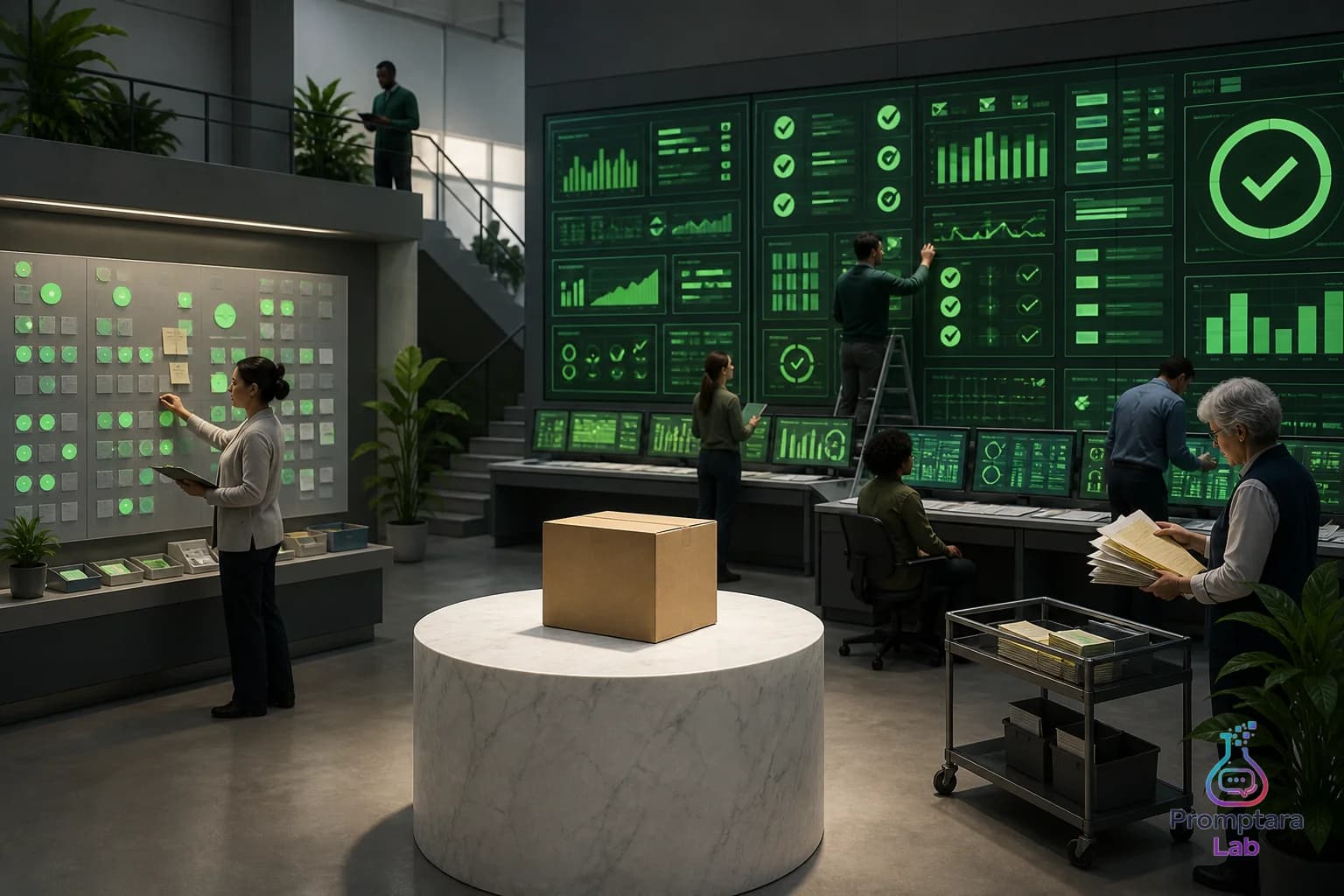
That drift is dangerous in a micro business portfolio because there are many small surfaces and not much spare operator attention. A machine can inspect more signals than a person should read. It can prepare more drafts than a person should approve. It can keep a queue stable for days and make stability look like health, even when the queue is just quietly waiting.
The fix is not to shame runtime. The fix is to label it honestly.
Runtime evidence should answer: did the machine execute the operating loop? Product change evidence should answer: did the user facing or operator facing system become different in a way that matters?
Those are related questions. They are not twins.
For a related evidence habit, Evidence Needs Handling Instructions makes the same point from the source side: data becomes more useful when the system explains what it can and cannot support.
Record the crossing, not just the motion
A better operating system needs a small habit: mark the boundary crossed.
Not every run needs a novel. It needs a type. Runtime only. Inventory created. Candidate added. Draft prepared. Human review needed. Published. Rejected. User surface changed. Measurement changed. No product change.
That last label is not embarrassing. It is one of the most useful labels in the set.
No product change means the system stayed warm, collected evidence, maybe spent money, maybe prepared inventory, but did not alter the artifact. That lets the operator ask the right next question. Was that expected? Was it worth the cost? Did it reduce uncertainty? Did it create review debt? Did it merely keep the lights on?
At Promptara Lab, this distinction is part of the operating taste we keep returning to. The goal is not to make automation look busier. Busy is cheap now. The goal is to make the difference between operating motion and product movement hard to miss.
The system should be allowed to say: I ran, I checked, I spent a little, I found some things, I changed nothing.
That is a much better sentence than pretending every green line is progress.