A Draft Needs a Bill of Materials

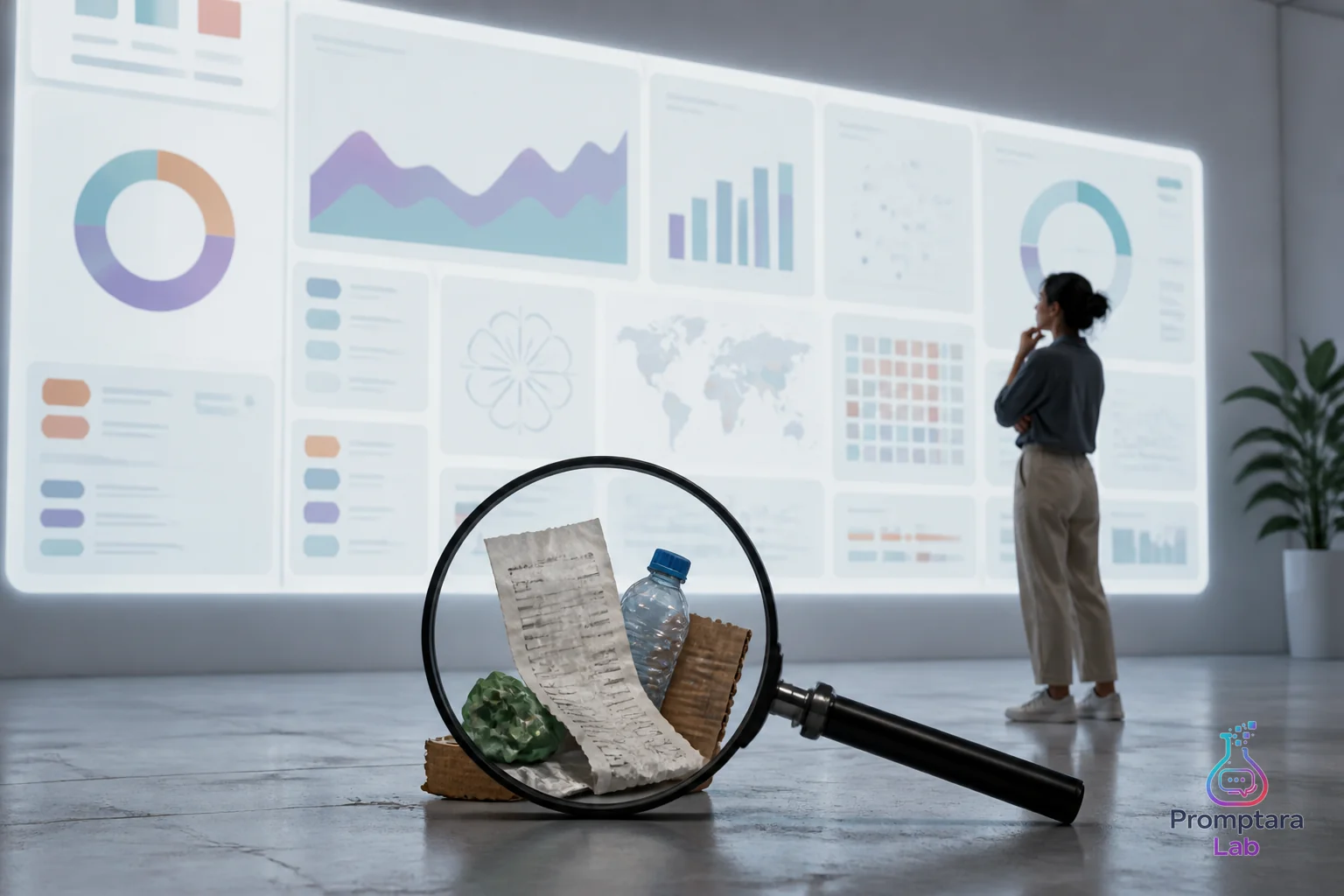
A generated draft is not a finished object. It is a box on the floor with parts inside.
That sounds obvious until a publication system starts producing neat little bundles of text, image, link, caption, and status. The temptation is to review the words and call the thing inspected. Nice headline. Reasonable caption. No obvious hallucination. Ship it after coffee.
That is how small systems get weird.
The prose is only one component. A useful draft needs a bill of materials: what the package contains, where it is meant to go, what state it is in, what evidence shaped it, what media is attached, what link behavior is expected, and what is still waiting on judgment.
Promptara Lab keeps coming back to this because an agentic framework under the hood can produce more draft shaped objects than a person should review from memory. Memory is not QA. Memory is a charming liability with a calendar.
The draft is not the unit. The package is.
Most automated publishing reviews start in the wrong place. They open the draft and look at the visible copy.
That is necessary. It is also insufficient.
A draft package has several parts that can fail independently:
- the editorial idea
- the audience promise
- the destination
- the caption variant
- the link target
- the tracking intent
- the image or media attachment
- the publication state
- the source shape behind the idea
- the reason it should exist now instead of later
If those pieces are hidden, the reviewer has to reconstruct the package from scraps. That is expensive in the most annoying way: not expensive enough to trigger a budget alarm, but expensive enough to make judgment sloppy.
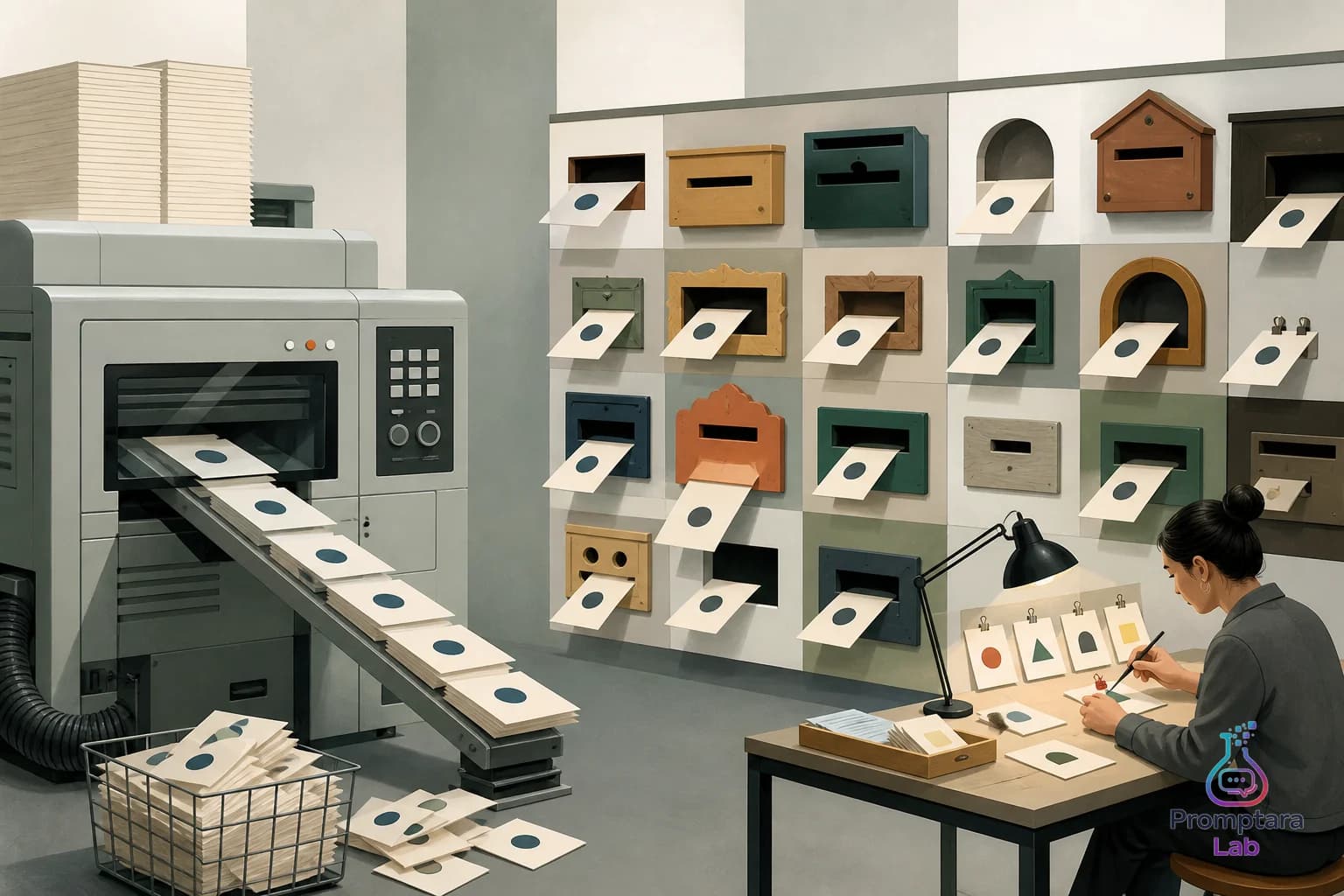
A post can have decent wording and the wrong destination. A caption can be fine for one channel and weirdly overfed for another. A media asset can be present but mismatched. A link can exist but answer the wrong promise. A draft can be created successfully and still not be ready for release.
That is why a generated draft should be reviewed as a product package, not as a text blob.
The same principle shows up in the older Promptara Lab note on why the draft queue is a product surface. The queue is not a waiting room for content. It is where the system exposes its judgment for inspection.
Good packaging makes refusal cheaper
The point of a bill of materials is not to make everything look more official. Official nonsense is still nonsense, just wearing a nicer shirt.
The point is to make refusal cheaper.
When a reviewer can see the state, destination, media status, source shape, and link intent, they can reject a package for a specific reason. Not vague discomfort. Not this feels off. A real reason.
Wrong channel.
Missing media.
Unclear promise.
Weak source mix.
No action path.
Too much topic overlap.
Not enough product context.
That specificity matters because refusal is only useful when it teaches the system something. A deleted draft with no reason is compost. A rejected draft with a visible failed part is training data for the operating model, even if no formal model training is happening.
Recent Promptara Lab operating records show why this matters. Some content packages were recorded with draft state, media status, distinct channel captions, and link intent. That does not prove quality. It proves inspectability. Those are different things, and confusing them is how teams end up admiring a dashboard while the actual product work leaks out the side.
The same pattern applies before publication. A signal pass can record observed items, accepted items, opportunity candidates, and source mix. In one recent Promptara Lab pass, the system recorded 109 observations, 27 inserted observations, and 43 opportunity candidates. Those numbers are not a victory lap. They are parts labels. They help the operator ask what changed, what was accepted, and whether the opportunity layer is doing useful compression or just decorating the inbox.
The missing part is often the business context
Draft packaging is not only about content operations. It is also about distribution reality.
A perfectly assembled post can still point at a surface where no one acts. Traffic intelligence recently showed traffic without same day actions across the listed assets, and no strongest traffic to action signal was available. That is not a verdict on the assets. It is a reminder that publishing packages should not pretend the content layer floats above the product layer.
If a draft is meant to attract a searcher, what action is the page asking for?
If a caption sends a visitor to a guide, what would make that visit count as appetite?
If there is no same day action, is the package still useful as education, testing, indexing, or positioning?
The answer can be yes. Not every public artifact needs to convert like a vending machine with a caffeine addiction. But the package should say what kind of yes it is aiming for.
Otherwise the system smuggles in a childish assumption: published equals useful.
No.
Published means available. Useful still has to be earned.
That is why Promptara Lab treats its public writing as part of a broader operating system, not a pile of posts. The public side lives at Promptara Lab, but the builder lesson is more general: if automation helps make the object, automation should also help expose the object to review.
A simple checklist beats a magical editor
The least glamorous fix is usually the right one.
Before a generated draft reaches a human reviewer, the system should be able to answer a few plain questions:
- What is this draft trying to do?
- What surface is it for?
- What state is it in?
- What media or supporting asset is attached?
- What source shape informed it?
- What link or action path does it assume?
- What would make a reviewer reject it?
None of that requires theatrical intelligence. It requires a product system with enough self respect to show its parts.
A bill of materials will not make a weak idea strong. It will not turn a bland caption into taste. It will not prove demand. Good. Those are not its job.
Its job is to prevent a draft from pretending to be simpler than it is.
Once the package is visible, review gets less mystical. The operator can inspect the promise, not just the paragraph. The system can fail in named ways. The next run has something concrete to improve.
A loose draft asks, do you like this?
A packaged draft asks, does this object belong here, in this state, with these parts?
That second question is less fun at first. It is also the one that keeps automated publishing from becoming a very polite junk drawer.