Unchanged Is Not Inspected

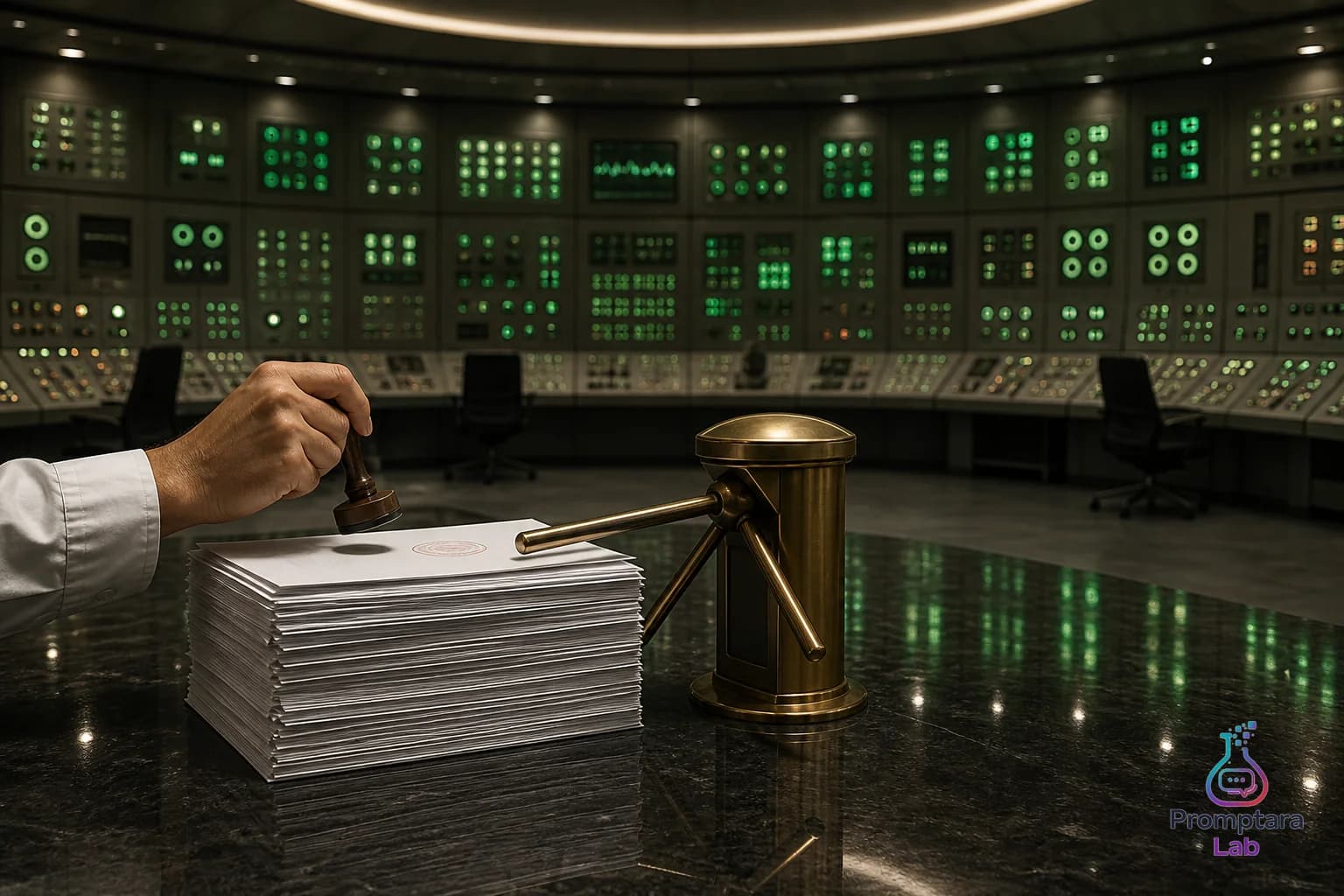
Automation systems love movement because movement is easy to narrate. A thing arrived. A thing was routed. A thing was drafted. A thing was inserted. A thing was sent for review. The log gets a verb, the operator gets a receipt, and everyone can pretend the machine has made the morning legible.
Stillness is harder.
An unchanged queue looks harmless because it does not make noise. No new messages. No accepted items. Same total before, same total after. Fine. Maybe nothing happened. Maybe the system is healthy. Maybe the queue is intentionally parked. Or maybe the machine just preserved a small pile of old work while giving the operator no reason to look at it.
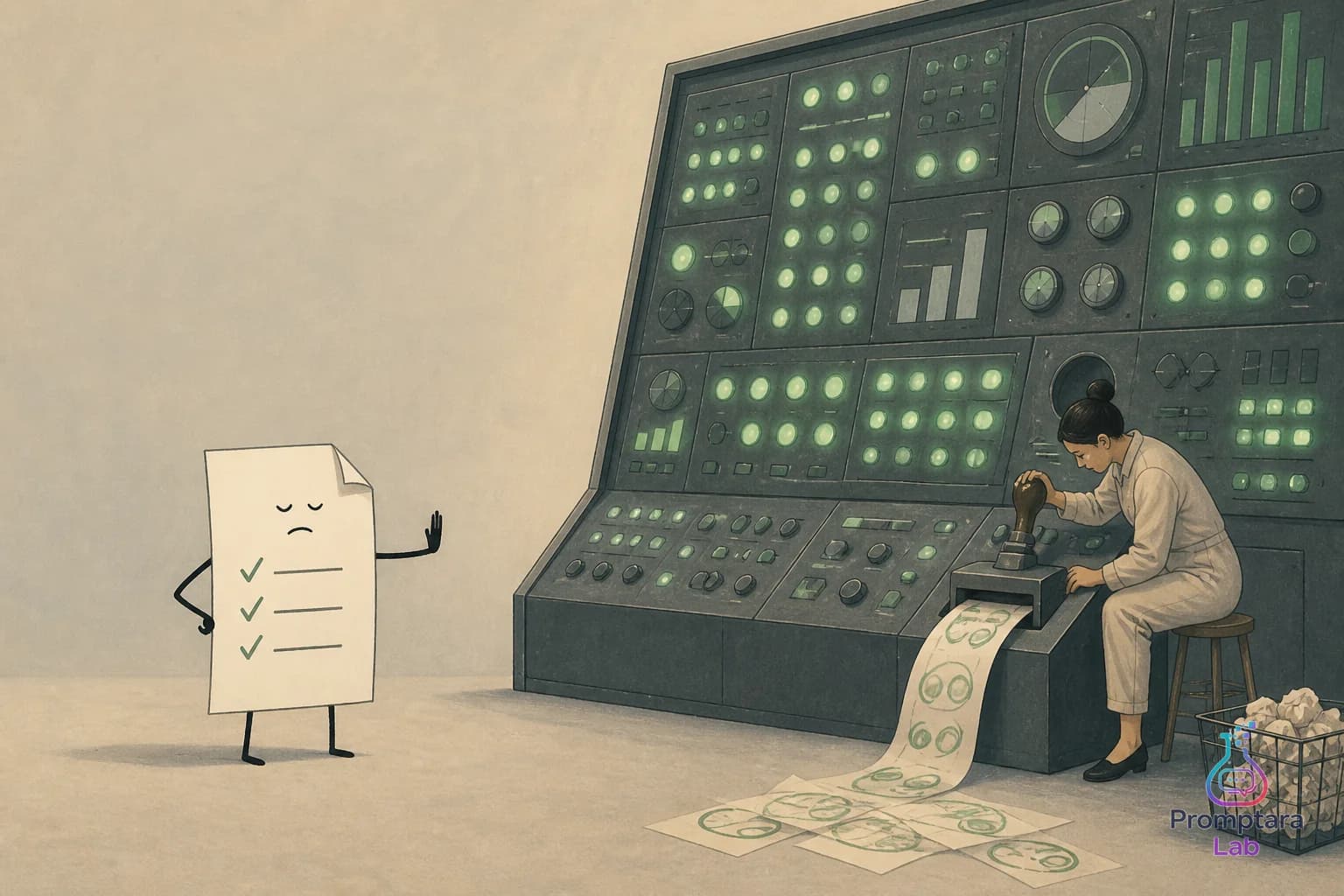
That is the trap: unchanged is not the same as inspected.
At Promptara Lab, this shows up as a boring operating principle for AI assisted micro businesses. A queue total is not enough. A quiet run is not enough. A clean completion line is not enough. If a system can say what changed, it should also be able to say what did not change and what that stillness is allowed to mean.
The static number is doing more work than it admits
A queue that stays at 19 before and after a run is technically precise. It is also semantically lazy unless the system adds context.
There are several different stories hiding inside the same static number:
- no new intake arrived
- new intake arrived but nothing qualified
- intake was unavailable
- old items are intentionally parked
- old items are waiting for a human decision
- old items are being ignored because the system has no aging rule
- downstream capacity is the actual bottleneck
Those are not cosmetic differences. They lead to different operator decisions.
If no intake arrived, the right response may be no response. If nothing qualified, the filter might be doing useful work. If items are parked, the system needs a parked state, not a guilty silence. If the queue is aging, someone has to decide whether the old work still deserves space.
A total cannot carry all that. It can only point to the pile.
This is where small product systems get fooled by tidy telemetry. They count the pile, then mistake the count for understanding. The more automated the system becomes, the worse that habit gets. Automation can preserve ambiguity at industrial speed while sounding calm about it.
No movement still needs a handling rule
The obvious mistake is treating unchanged as a non event.
That is understandable. Operators are busy. A changed number feels like a demand. An unchanged number feels like permission to move on. But a product system that only reacts to deltas eventually creates a quiet swamp of unexamined leftovers.
The better pattern is to give stillness a handling rule.
Not every unchanged queue needs human review. That would be a great way to turn automation into a clipboard internship. The point is to assign a cheap interpretation before the operator is forced to guess.
For example:
- unchanged for one run: probably informational
- unchanged with no new intake: quiet state
- unchanged with repeated qualified intake: possible blockage
- unchanged past an age limit: review required
- unchanged after manual parking: intentionally deferred
- unchanged with zero actions downstream: conversion diagnosis, not queue diagnosis
The categories do not need to be fancy. They need to be explicit.
This is related to the older Promptara Lab note that parked work deserves to be a first class state. Parked is not failed. Parked is not done. Parked is not invisible. It is a named condition with a reason and, ideally, an expiration date.
Without that label, the operator has to reverse engineer the system’s mood from a number. That is a ridiculous job to assign to a human, but software does it constantly with a straight face.
Quiet intake and quiet demand are not twins
Stillness also gets messy when different parts of the system are quiet for different reasons.
An intake router can see no updates and take no messages while a signal system elsewhere observes plenty of outside material. A signal pass can inspect dozens of inputs, insert a smaller number, and generate candidates for later review. A traffic report can show visitors without actions. All of those are quiet in different ways.
Lumping them together as “low activity” is how dashboards become soup.
Quiet intake means the system did not receive or accept new work through that channel. Quiet demand means users did not take the tracked action. Quiet review means candidates or drafts are waiting for judgment. Quiet publication means nothing was released. These states can coexist, and they do not explain each other automatically.
That distinction is close to the argument in Zero Needs a Type. Zero is not one thing. Neither is unchanged. Both need a type before they become useful evidence.
A product operator should not have to ask, “Is this quiet good, bad, expected, blocked, stale, or missing?” after every run. The system should answer at least the first half of that question.
A good queue report names the next inspection, not just the total
The useful queue report is not longer. It is sharper.
A weak report says: queue total 19.
A better report says: queue total 19, unchanged, no new intake, no items accepted, no notification required.
A stronger report adds: oldest item age within limit, no blocked state detected.
That last sentence is where the product work lives. The system is not merely counting inventory. It is telling the operator why the inventory did not earn a minute.
The inverse is also true. If the queue is unchanged but aging past a limit, the report should stop being polite. It should say so. Not with drama. With a clear verb: review, clear, relabel, archive, escalate, or leave parked.
This is the same discipline behind treating attention as the scarce system resource. The operator’s minute is not free. If an unchanged state asks for that minute, it has to bring a reason.
Stillness should earn its silence
There is nothing wrong with a quiet system. Quiet can be a sign of good filters, stable intake, low demand, or deliberate restraint.
But quiet has to earn its silence.
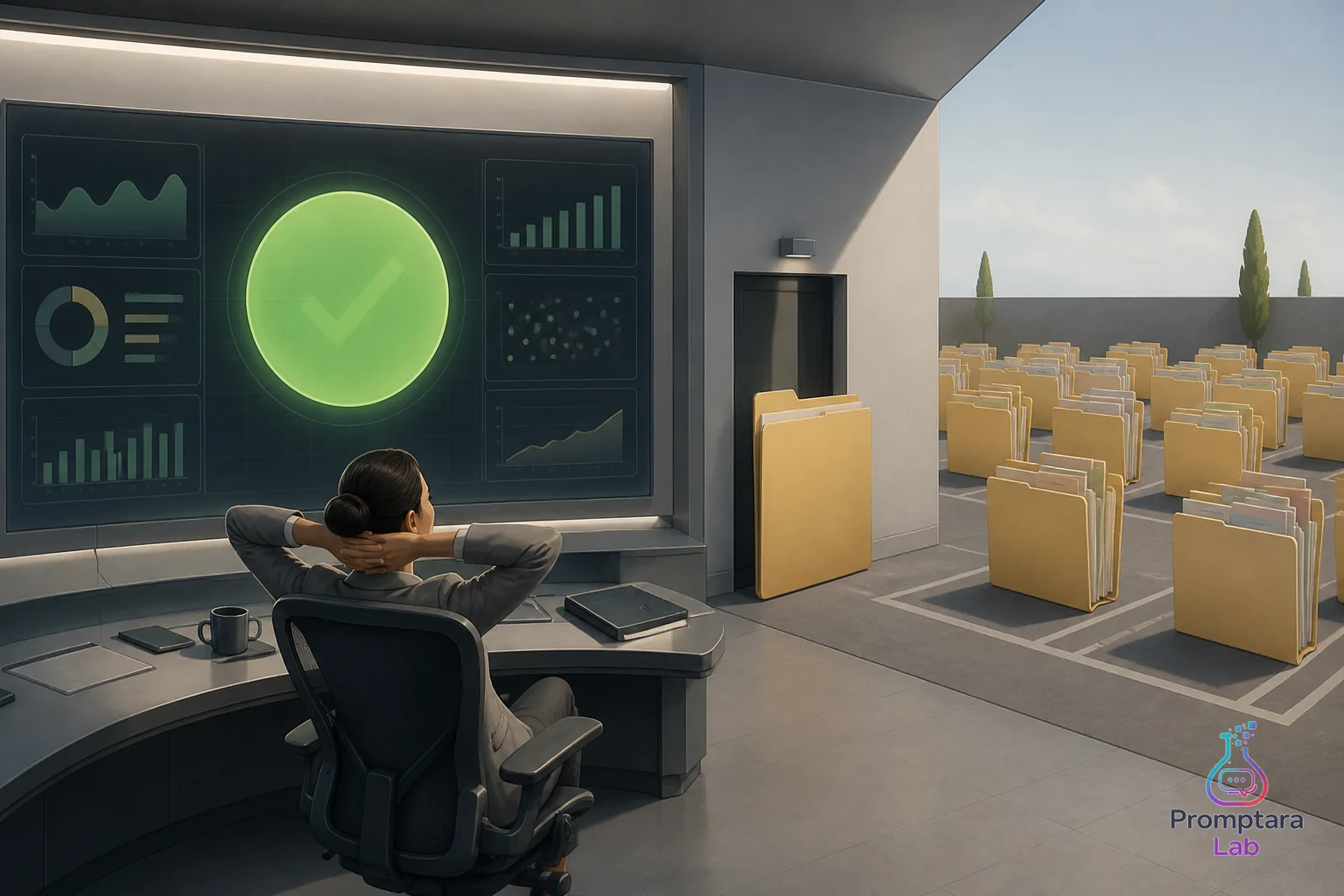
An unchanged queue should not get ignored because the number stayed pretty. It should get ignored because the system has already said, in plain terms, that the stillness is expected, typed, and within limits.
That is the small builder rule: do not let unchanged states hide behind completion receipts.
If the machine can tell you it moved something, it can tell you why it did not move anything. If it cannot, the queue is not calm. It is just quiet enough to become someone else’s problem later.