Fresh Is a Different Number Than Many
Automation systems love to report how much they saw.
That is understandable. Volume is easy to count, easy to graph, and easy to wave around as proof that the machine was not napping. A signal pass can inspect dozens or hundreds of outside inputs. A publication engine can prepare several channel drafts. A router can check a queue and report that nothing moved. All of that is useful operating evidence.
It is also where builders start lying to themselves by accident.
The number of things inspected is not the number of things found. The number of things found is not the number of things worth reviewing. The number of things worth reviewing is not the number of things that should become product, content, outreach, or strategy work.
Freshness deserves its own number.
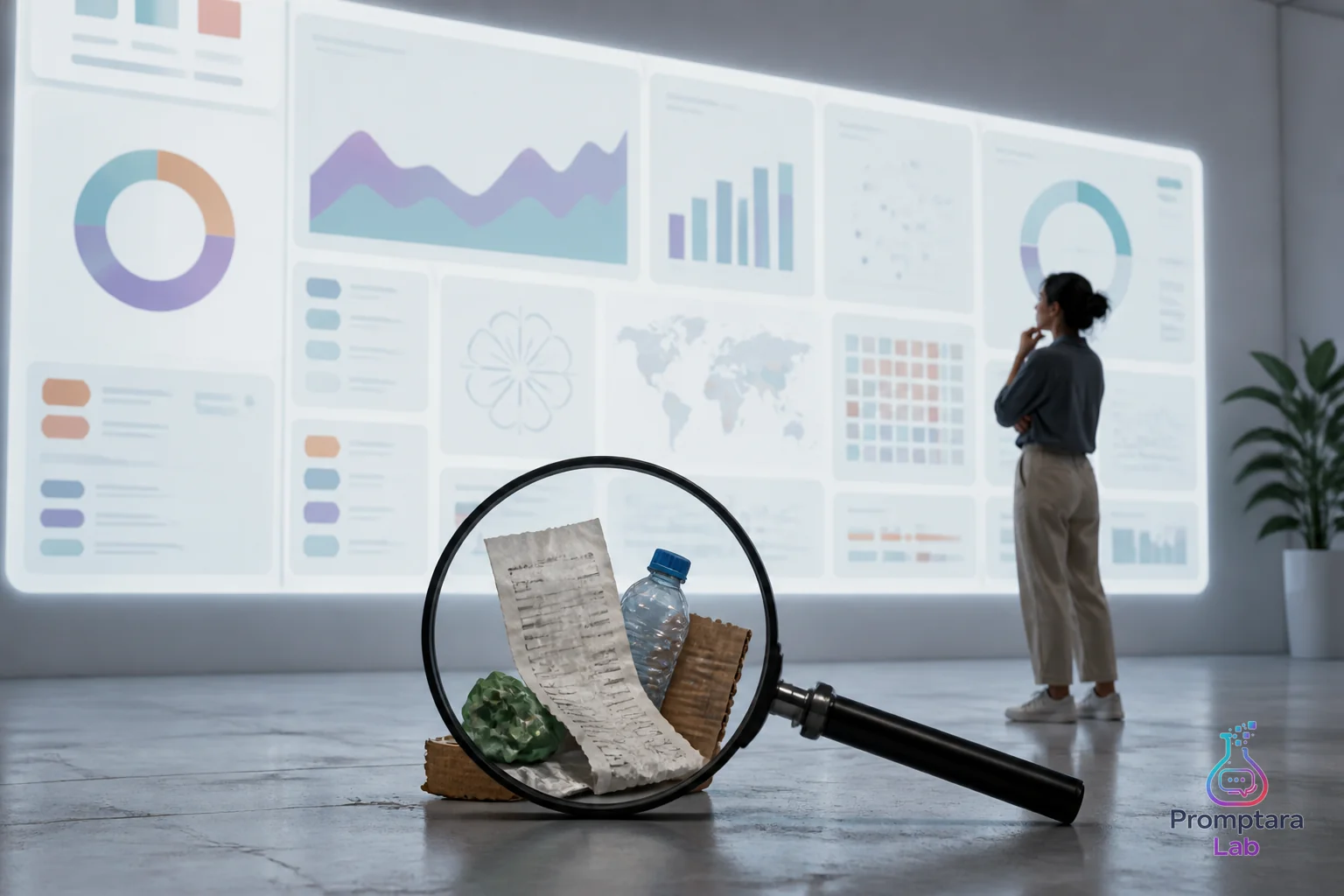
That is the operating thesis: freshness beats volume when a small product system needs to decide what deserves review. Many inspected items can be useful context, but fresh observations are the material that changes the next decision.
A pass that observes 97 items and inserts 4 new observations is not the same animal as a pass that observes 96 items and inserts 43. A pass that observes 32 and inserts 0 may still be functioning exactly as designed. Without the freshness line, those runs all get flattened into the same vague feeling: activity happened.
Activity happened is a lousy product interface.
Looked at is not found
A machine can look at a lot without discovering much. Humans do this too, usually while pretending to clean up a browser tab situation.
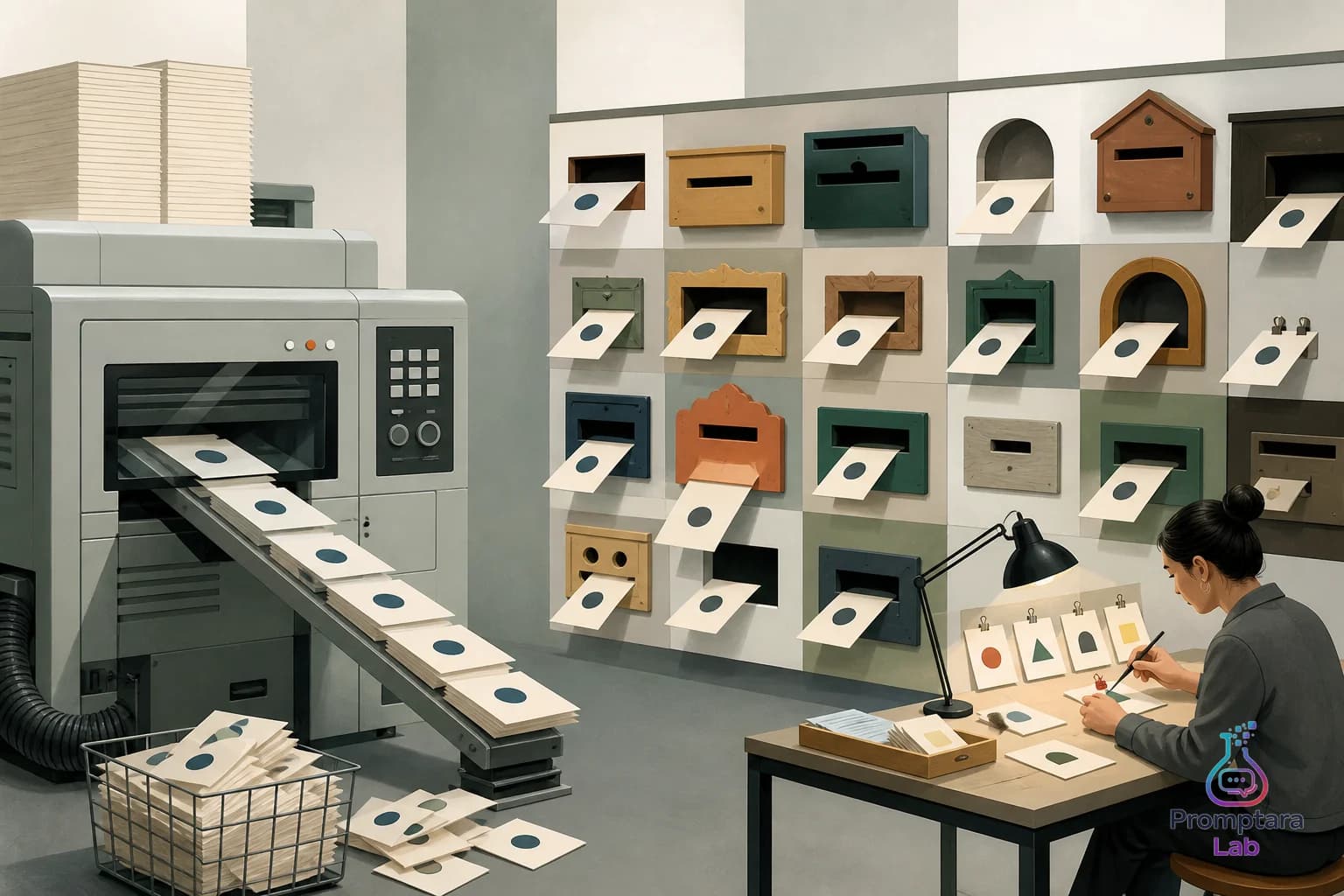
In an AI assisted product system, the distinction needs to be explicit. There is the inspection layer, where the system scans candidate inputs. There is the freshness layer, where it decides what is new enough to record. Then there is the promotion layer, where some recorded observations become opportunity candidates or reviewable work.
Those are different verbs. Mixing them creates fake confidence.
If the interface says only that 100 items were inspected, the operator has to guess whether the world changed, the source repeated itself, the filters got stricter, or the machine spent the morning admiring old wallpaper. A total can be technically true and operationally lazy at the same time.
Promptara Lab keeps returning to this because small product portfolios do not fail only from missing signals. They also fail from treating recycled signals as fresh obligations. That turns review into archaeology with nicer labels.
Freshness changes the review bill
New material is not free just because the system gathered it cheaply.
Every fresh observation asks for a little judgment. Is it noise? Is it a repeat in different clothing? Does it belong to this product? Is it a content clue, a product clue, a support clue, or just internet static doing jazz hands?
That cost changes fast. Four fresh observations after a large scan creates a very different review surface from forty-three fresh observations after a similar scan. Neither number is automatically better. Four may mean the system is stable and the source is tapped out for now. Forty-three may mean a topic shifted, a filter loosened, or a new source shape entered the mix.
The operator needs to know which kind of morning just arrived.
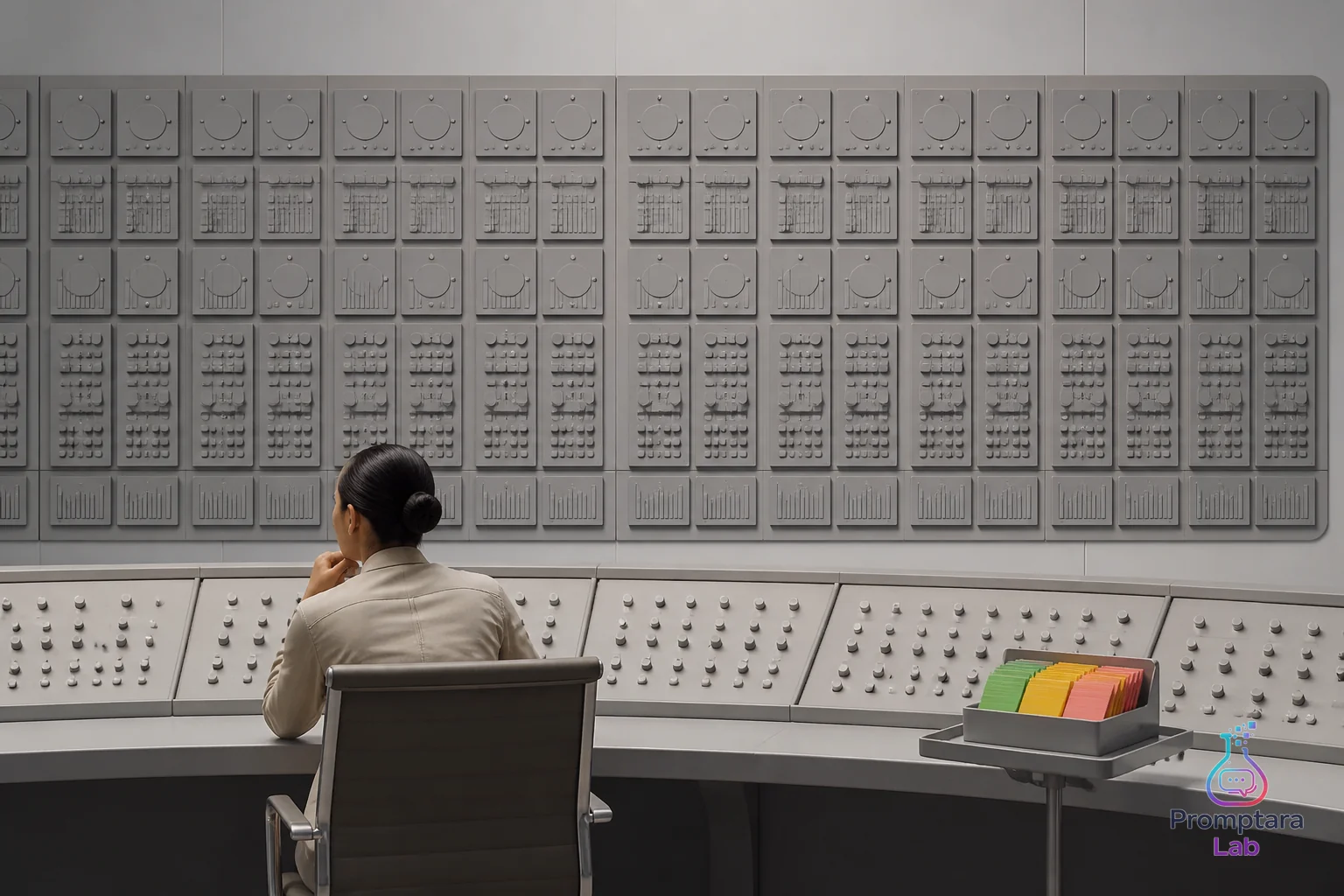
This is where a lot of automation dashboards get cute and unhelpful. They show the big inspection count because it feels impressive. They hide the inserted count or treat it as an implementation detail. Then they ask a human to make priority calls from a pile that has already lost its shape.
That is not a dashboard. That is a fog machine with numbers.
For a related operating frame, Promptara Lab has written about why ratios are questions, not grades. Freshness works the same way. It is not a gold star. It is a prompt: what changed, and what does that change cost to inspect?
Old signals are not trash
Separating freshness from volume does not mean repeated signals are useless.
Old signals have jobs. They can confirm that a customer phrase keeps appearing. They can show that a source is stable. They can reveal that a supposed opportunity is not expanding. They can also expose a stale ingestion loop before it starts manufacturing busywork.
The mistake is letting old signals re-enter the room wearing a fake mustache.
A repeated observation should be allowed to say, “I am still here.” It should not be allowed to say, “I am new, please promote me.” That difference sounds small until the system begins operating across multiple products, channels, and review queues. Then a few mislabeled repeats become a calendar full of counterfeit urgency.
This is also why candidate pools need expiration pressure. A list of possible work can look tidy while slowly losing contact with reality. Promptara Lab covered that from another angle in A Candidate Pool Is Not a Pantry. Freshness is one of the ways to keep the pantry metaphor from taking over the operating system.
Source mix needs freshness too
Freshness gets even more important when inputs come from different kinds of places.
Search suggestions, forum threads, RSS items, traffic summaries, contact messages, and draft records do not age the same way. A repeated search phrase may be a durable language clue. A repeated forum complaint may mean one vocal pocket keeps looping. A traffic visit without an action may be useful context, but it is not the same as demand. A queue that stays unchanged is evidence, not drama.
Treating all sources as interchangeable volume makes the system look cleaner and think worse.
A good operating interface should make a few questions cheap:
- How much did the system inspect?
- How much was new?
- Which source type produced the fresh material?
- How much was promoted for review?
- Did any action signal arrive beside the observation?
None of those questions require spectacle. They require labels that refuse to flatter the machine.
The product rule
The rule is simple: never let “many” impersonate “fresh.”
If an automated system reports inspected volume, it should report fresh entry beside it. If it reports fresh entry, it should show what got promoted and what stayed parked. If it reports opportunities, it should preserve enough source and freshness context that the reviewer can smell stale work before spending attention on it.
This is not dashboard fussiness. It is product hygiene.
Promptara Lab is built around small AI powered businesses, which means the operating system has to be honest about tiny signals, quiet days, unchanged queues, and low drama evidence. The work is not to make every run look productive. The work is to make each run readable enough that a builder can decide what deserves the next human minute.
That is the whole game hidden inside a boring telemetry field.
Fresh is a different number than many. If the system cannot tell the difference, the operator eventually becomes the deduplication layer. Nobody should aspire to be a human lint trap for yesterday’s signals.
More notes on how Promptara Lab thinks about these product systems live at promptaralab.com.