Telemetry Needs a Reading Order
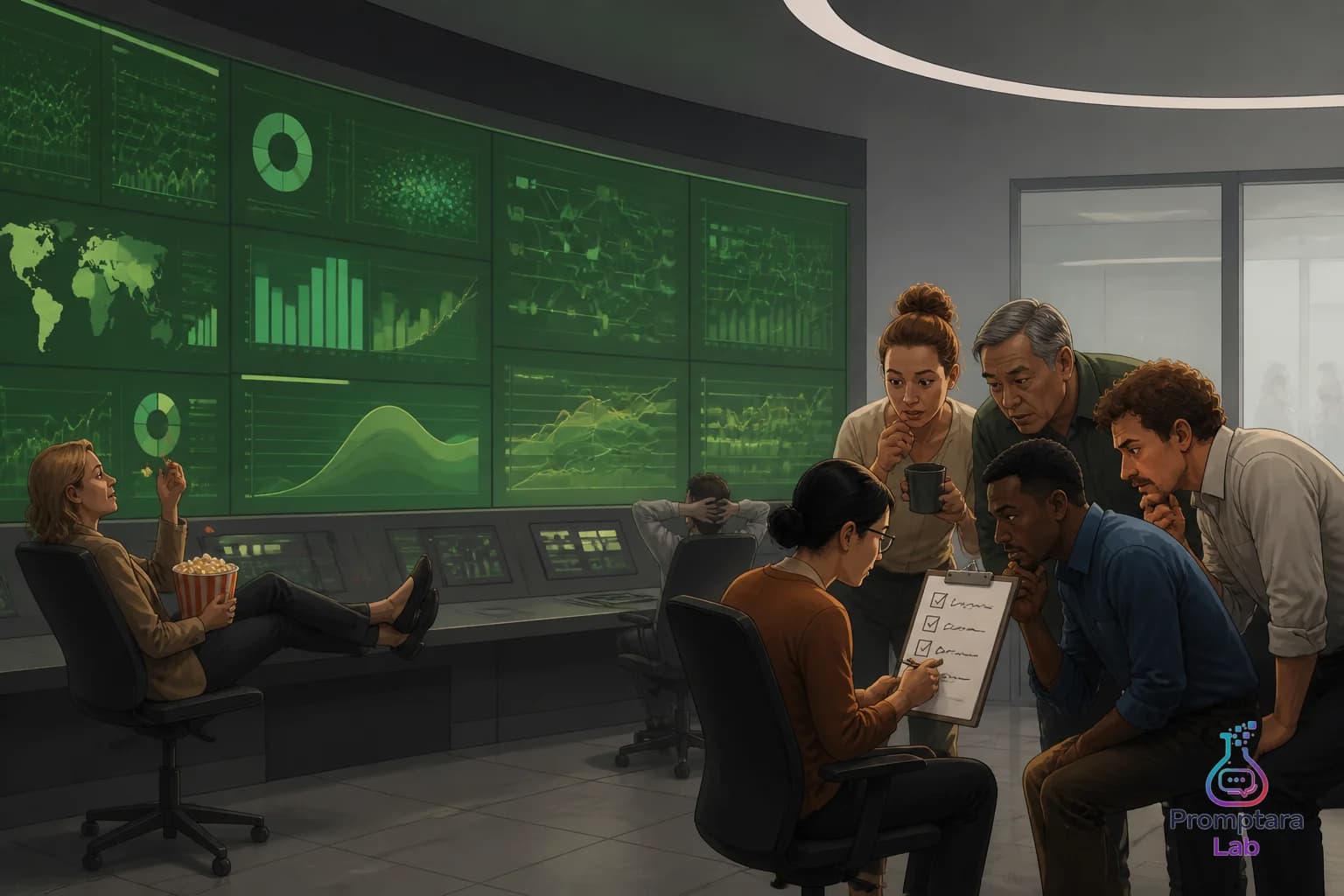
A dashboard without a reading order is just a polite argument between numbers.
Everything wants to be first. The green health check wants attention because it sounds reassuring. The usage meter wants attention because it has a currency symbol attached. The signal system wants attention because it can produce large counts. The publication engine wants attention because drafts feel closer to the customer. Traffic wants attention because it looks like reality finally entered the room.
If all of those lines arrive with equal visual weight, the operator does not get clarity. The operator gets a tray of tiny emergencies and tiny comforts, then has to invent the operating model in their head.
At Promptara Lab, the better pattern is not more telemetry. It is telemetry with a reading order.
Start with whether the machine is safe to trust
The first read should answer a boring question: is the system healthy enough that the rest of the numbers deserve attention?
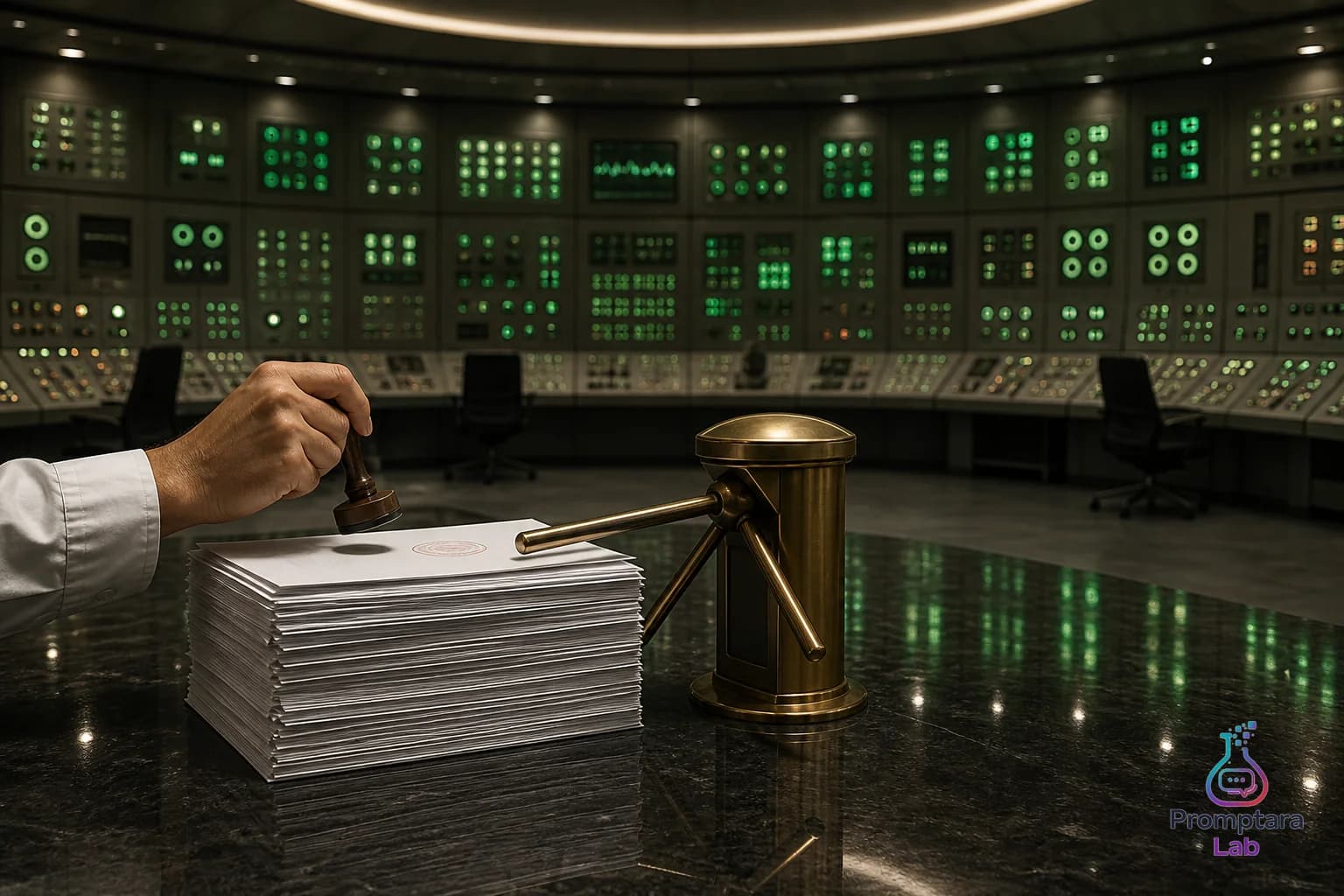
That does not mean a green health check proves product progress. It does not. A healthy machine can produce useless work all day with excellent posture. But health is still the gate. If the underlying system is unhealthy, every downstream count becomes suspect. Traffic may be stale. queues may be misleading. usage may be partial. drafts may have failed halfway through their packaging.
This is where operators often get cute and skip straight to the exciting number. Bad habit. If the foundation is wobbly, the exciting number is theater with commas.
A sane reading order puts health first, then immediately moves on. Do not worship the green check. Accept the receipt, then ask what changed.
Put cost before volume, not after the apology
Cost belongs early in the read because it changes the interpretation of everything that follows.
A usage meter reporting 23 requests, 29,165 input tokens, 28,038 output tokens, and a cost of 0.986965 for the prior day is not automatically good or bad. It is context. It tells the operator how much machine effort sat behind the rest of the operating surface.
The trap is reading volume first and cost later, as if the bill is just an accounting footnote. That is how cheap automation becomes sloppy automation. When the cost is low, people relax. When the cost is high, people panic. Neither reaction is useful unless the spend is read beside the output shape.
A low cost paired with no meaningful action may still be waste. A higher cost paired with a better selected review queue may be reasonable. The point is not to make cost the boss. The point is to keep it in the same room as judgment.
Promptara has covered this before in Put the Meter Next to the Machine. The meter is not a scold. It is a witness.
Read queues before you read ambition
Queues are where operational fantasy gets caught.
A system can say it completed cleanly while taking 0 messages and leaving a queue unchanged at 13. That is not a failure by itself. It may mean there was nothing eligible to move. It may mean the router checked properly. It may mean the current queue is waiting on a different condition.
But it should be read before anyone starts admiring opportunity counts or content plans.
Why? Because unchanged queues tell you about flow. Flow is different from activity. A product system can be active without moving the work that needs movement. It can inspect the outside world, prepare drafts, send notifications, and still leave a meaningful pile untouched.
The question is not, did the automation run? The question is, where did work enter, move, stop, or remain deliberately untouched?
This is also why notifications should not arrive as little victory confetti. They should be compact interfaces. A useful notification lets the operator see the status, the delta, and the next place to look. The older Promptara note on Notifications Are Interfaces, Not Confetti is still the rule here.
Signal counts need a second column beside them
Signal systems are especially good at creating the illusion of understanding.
A daily signal pass can observe 32 items or 128 items. It can insert 0 new observations or 36. It can present 10 opportunities or 54. All of those numbers can be true. None of them should be read alone.
The reading order should force comparison:
- How much did the system observe?
- How much of that was actually new to the system?
- How much became an opportunity candidate?
- Is the review burden reasonable for a human operator?
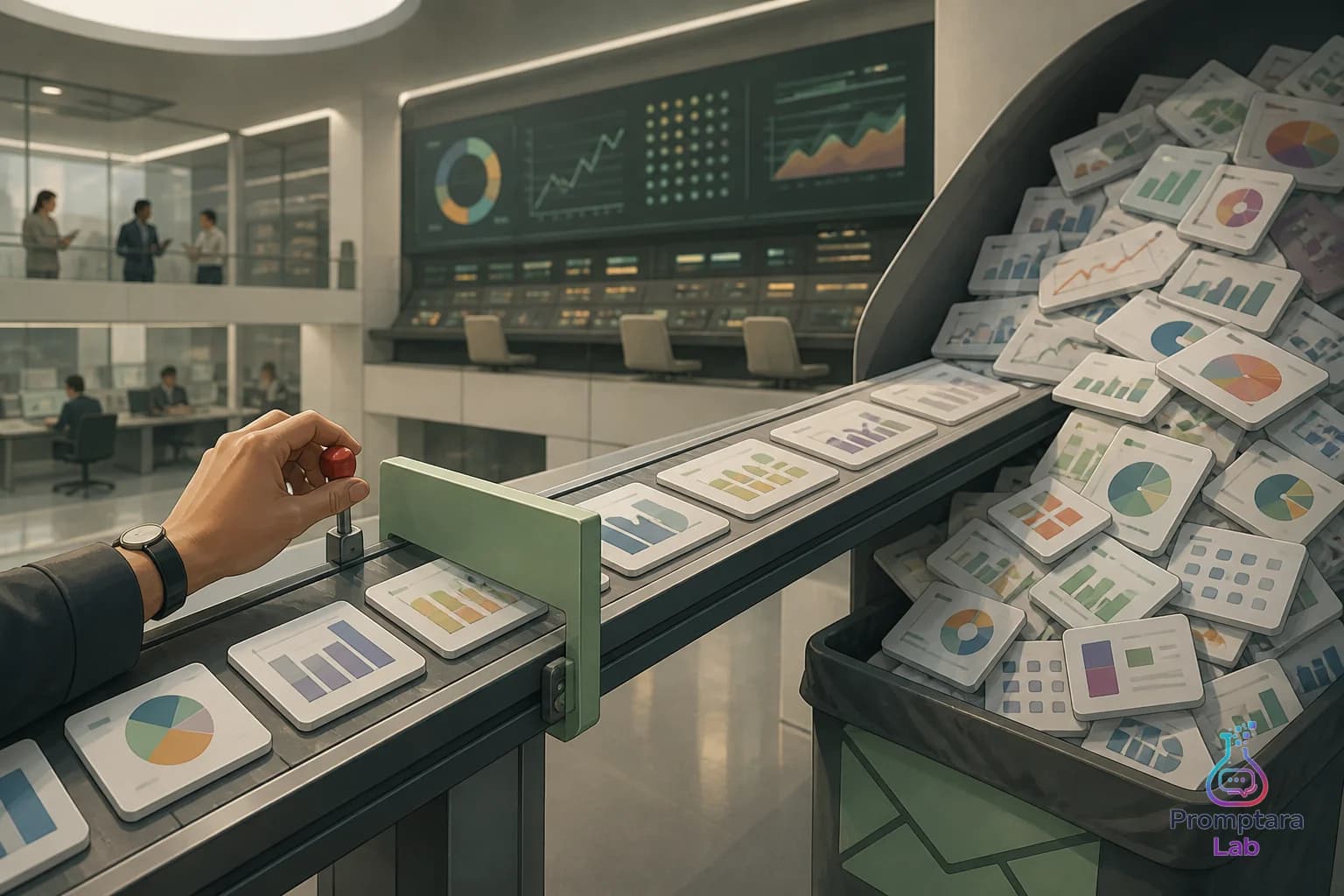
Without that sequence, the largest number usually wins. Observation volume starts pretending to be market intelligence. Opportunity count starts pretending to be a work plan. Zero inserted observations starts pretending nothing useful happened, even when existing inventory may still contain candidates worth reviewing.
Telemetry should make those category mistakes harder.
Put action evidence late, then treat it with respect
Action evidence belongs late in the read, not because it is unimportant, but because it is too easy to overinterpret when read naked.
A traffic snapshot can show visitors and pageviews across product surfaces while same day action counters sit at 0. It can also report no strongest traffic to action signal. That is useful information. It is not a melodrama.
Read too early, the zero action line can flatten the day into disappointment. Read after health, cost, queues, signal movement, and draft state, it becomes a sharper diagnostic branch.
Maybe the audience was wrong. Maybe the page promise was weak. Maybe the measurement window was too small. Maybe the traffic was curiosity, not intent. Maybe the action surface was not compelling enough. Maybe nothing should be concluded yet.
The point is to preserve the question without inflating it into a verdict.
The dashboard should teach the operator how to think
Most dashboards are arranged like storage units. Similar objects go near similar objects. Health over here. cost over there. traffic somewhere else. drafts in another system. queues in the basement with the old adapters.
That is tidy architecture, but it is not an operating model.
A better dashboard teaches sequence. It says: trust the machine first, then price the run, then inspect flow, then compare signal shape, then review output inventory, then read action evidence. Not every day needs the full ceremony. But the order prevents the operator from grabbing the shiniest number and building a little religion around it.
The wry part is that this is not advanced. It is checklist thinking. Pilots figured this out. Kitchens figured this out. Warehouses figured this out. Software dashboards keep pretending operators can absorb a wall of equal weight metrics and naturally form wise conclusions before coffee.
They cannot. Or at least, they should not have to.
Telemetry is not just a record of what happened. It is a reading environment. If the system has an opinion about what deserves inspection first, it should encode that opinion plainly. Otherwise the operator will supply an opinion under time pressure, which is how perfectly accurate numbers turn into bad product decisions.