Attention Is the Scarce System Resource

Most automation diagrams pretend attention is free.
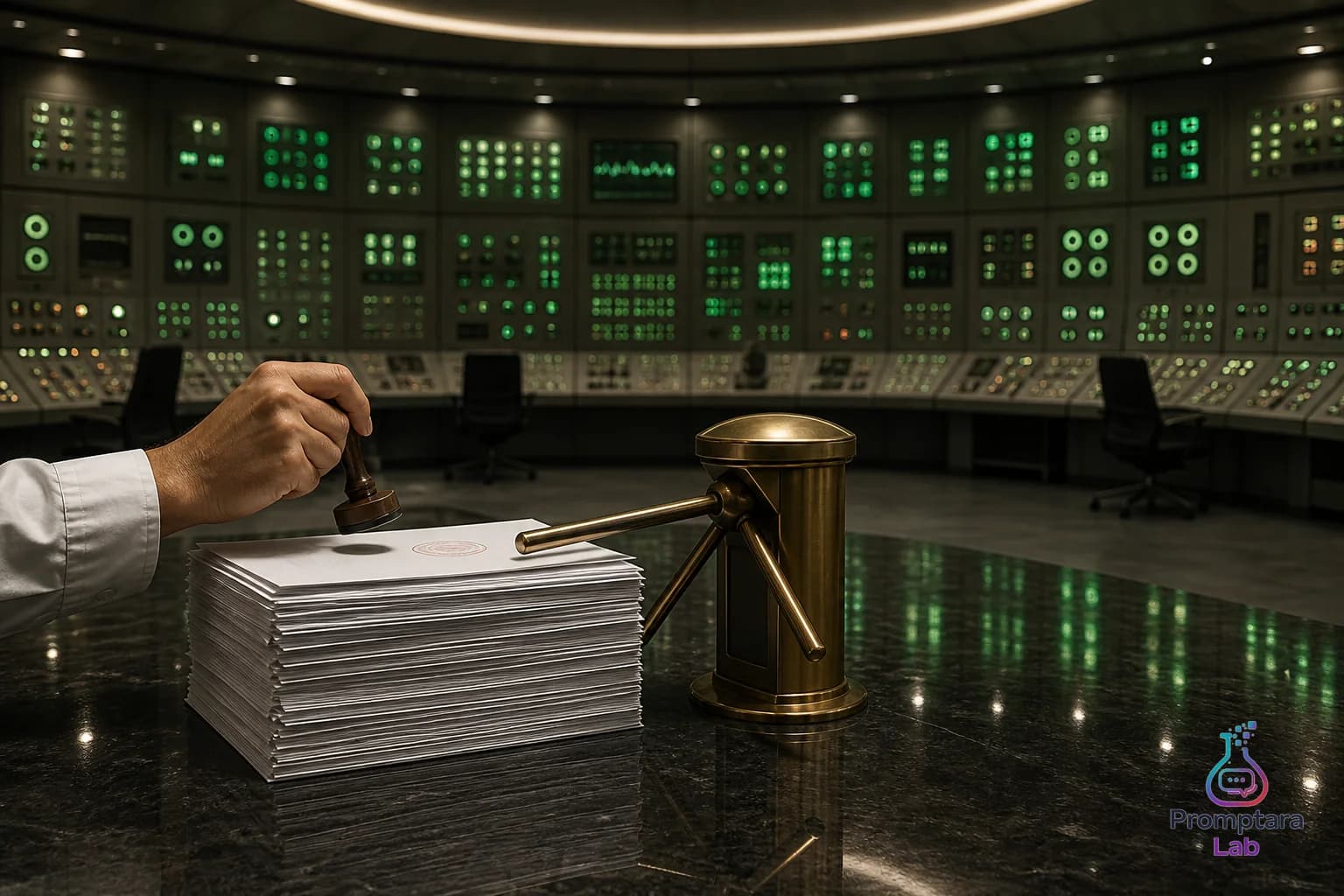
It is not. Compute gets a meter. Requests get counted. Tokens get counted. Queue totals get counted. Drafts get IDs. Notifications get little green receipts. Then the operator is expected to absorb whatever the system produced, as if human review were a bottomless utility closet.
That is where small AI assisted product systems get sloppy. Not because the models are too expensive. Often the machine cost is perfectly modest. A recent usage meter in the Promptara Lab operating evidence showed 35 requests, 99,357 input tokens, 73,917 output tokens, and a cost of $2.68 for the prior day. Not nothing, but not the scary part either.
The scarce resource is the human minute after the machine finishes.
If a system can turn 1,134 observed items into 105 newly inserted observations and 373 opportunity candidates across a slice of product work, the bottleneck is no longer seeing things. The bottleneck is deciding which thing deserves attention without turning the operator into a sorting intern with better coffee.
Attention is not the same as alerting
An alert is easy to send. Attention is hard to earn.
That distinction sounds petty until an automated system starts reporting everything it can prove it did. A queue was checked. No messages were taken. The queue stayed at 4. The system completed cleanly. Good. That is useful evidence.
It is not automatically worth interrupting someone.
A clean no change result can belong in the operating record without becoming a tap on the shoulder. A changed queue, a failed intake, a new action, or a risky ambiguity may deserve a human minute. Same machine. Different claim on attention.
Promptara Lab keeps returning to this because a notification is not decoration. It is an interface. The argument in Notifications Are Interfaces, Not Confetti still applies: a message should carry a compact promise about what changed, what needs judgment, and what can safely wait.
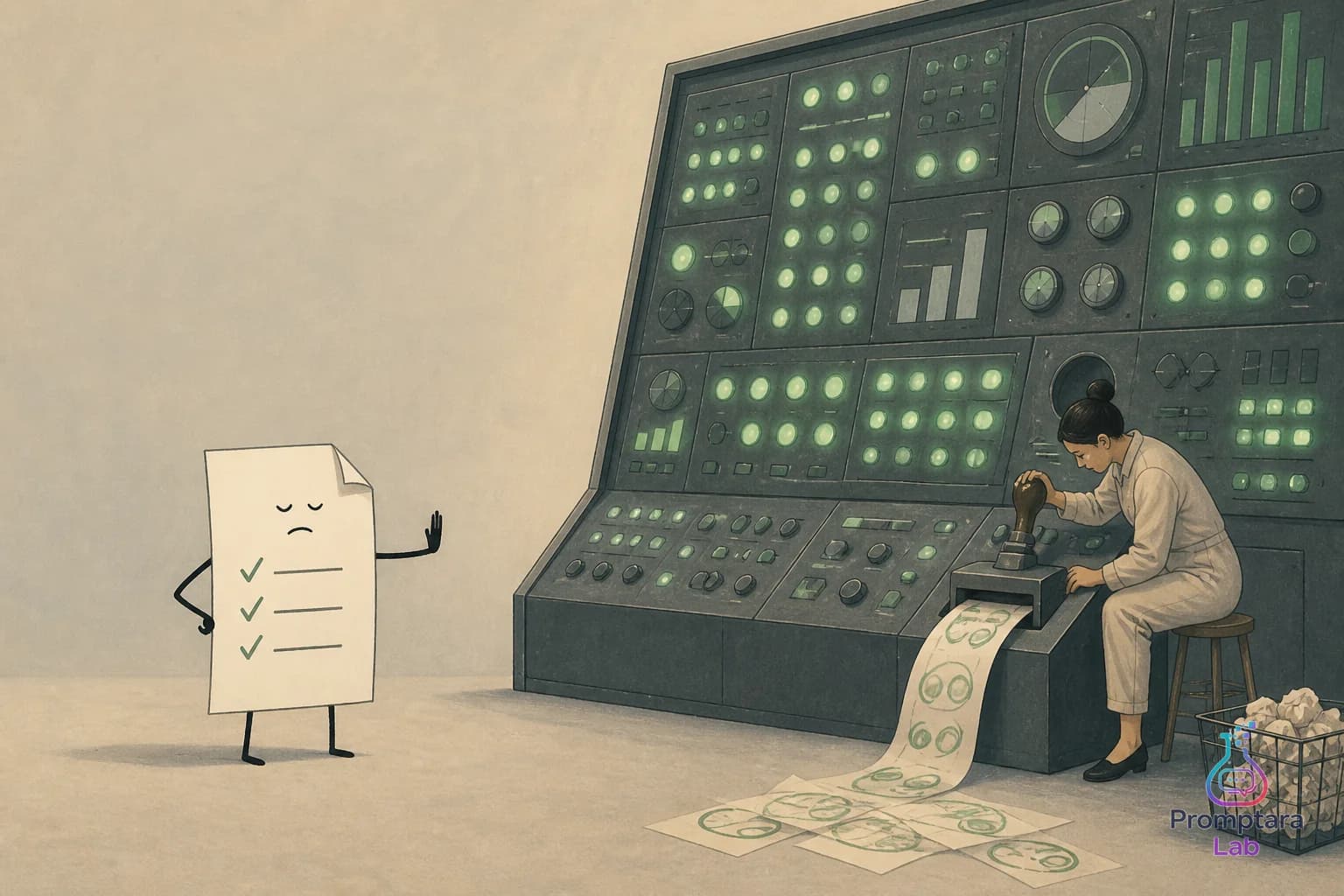
If every green check gets the same volume, the system trains the operator to ignore it. That is not a notification problem. That is product design with a ringtone.
Make candidates compete for review
Opportunity candidates are cheap to create compared with the cost of reviewing them properly.
That does not mean candidates are bad. A good signal system should widen the field of view. It should notice search patterns, recurring questions, new phrasing, and product adjacent demand that a human might miss. The mistake is letting every candidate arrive with the same posture: look at me now.
A candidate should have to explain why it earned the next review slot.
Not with theatrical confidence. With evidence shape. Where did it come from? Is it new or recurring? Is it tied to an action, a content gap, a product promise, or just a phrase that sounded important? What happens if it is ignored today? What would the next human decision actually be?
Without that context, the operator receives a pile, not a work surface.
The same problem shows up in generated content. A draft is not progress by itself. It is inventory that carries review cost, destination context, media state, and risk. Promptara Lab has written about that from the output side in Output Is Inventory, Not Progress. The attention version is sharper: every piece of inventory asks someone to spend judgment.
If the system cannot say why the item deserves that judgment, it should not be surprised when the pile grows stale.
Cheap compute can hide expensive judgment
The seductive part of AI automation is that the machine can do a lot for a small visible bill.
That visible bill can also make bad system behavior feel harmless. A low usage cost does not mean the operation was cheap. It may have created review debt, unclear candidates, draft clutter, or a set of alerts that taught the operator nothing except that the machine is very proud of itself.
There are at least three costs in play:
- Model cost, which is usually the easiest to meter.
- Review cost, which is often hand waved until the queue is unpleasant.
- Interruption cost, which quietly taxes every operator trying to do actual product work.
A traffic report can show visitors without actions across several assets and one same day action somewhere else. That does not automatically produce a conclusion. It produces competing claims on attention. The lone action may deserve inspection. The traffic without actions may deserve a diagnostic branch. Or both may wait if there is no decision to make today.
The point is not to suppress information. The point is to stop pretending all information has the same right to the operator.
Build an attention ledger
A useful automation system should keep an informal attention ledger, even if it never calls it that.
For each output that asks for review, the system should be able to answer a few plain questions:
- What changed since the last known state?
- What decision is being requested from a human?
- What evidence supports that request?
- What is the cost of waiting?
- What state should this item enter if nobody acts?
That last question is where a lot of systems get weak. They know how to create. They know how to complete. They are less comfortable saying wait, ignore, expire, archive, or revisit later. So the operator becomes the garbage collector for unresolved intent.
Bad bargain.
A better system narrows the surface. It lets routine checks stay quiet unless the state changes. It separates new from merely still true. It keeps machine cost visible, but does not confuse it with operating cost. It treats review capacity as part of the product, not a heroic afterthought.
That is especially important inside a portfolio of small AI powered businesses like Promptara Lab. One operator cannot behave like a full editorial desk, analyst team, QA department, and support queue for every surface the machine touches. The agentic framework under the hood has to do more than produce. It has to ration attention with taste.
The system should not admire its own busyness
Busy automation is easy to build. Useful automation is more annoying. It has to decide what not to surface. It has to leave evidence behind without demanding applause. It has to understand that a completed run, a candidate count, a draft record, and a quiet queue are different kinds of truth.
The better question is not how much the system can do before breakfast.
The better question is how few human minutes it can waste while still preserving the evidence needed to make good decisions.
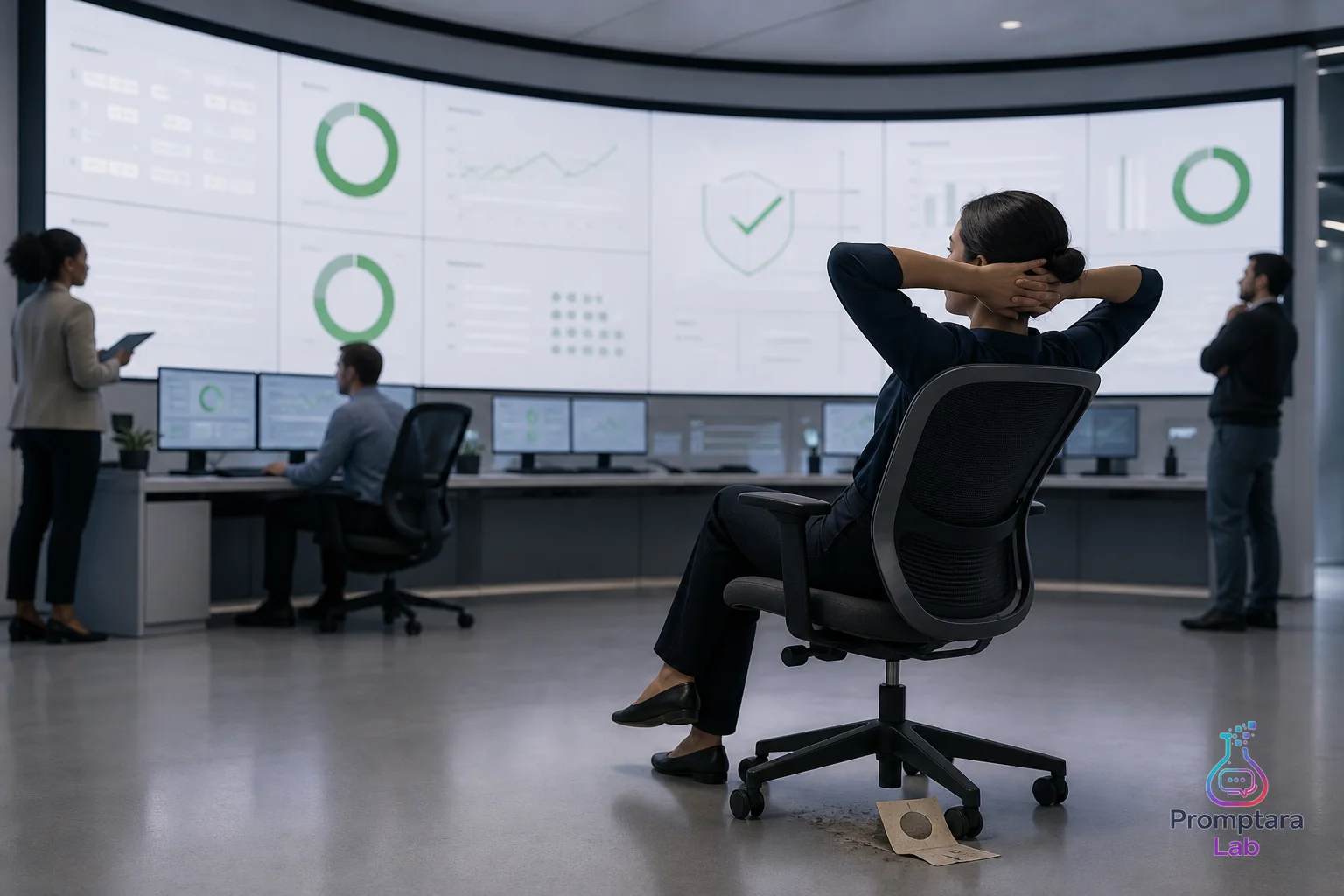
That is a less glamorous design target. It will not make the dashboard look like a command center in a movie. Good. Most command centers in movies are just expensive rooms where people point at screens.
A small product system needs something duller and more valuable: a machine that knows when it has earned attention, and when it should simply write the record and get out of the way.